



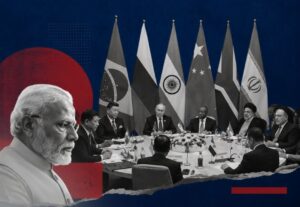






The United States Trade Representative (USTR) has delivered a sharp critique of India’s trade policies in its freshly released 2026 National Trade Estimate (NTE) Report on Foreign Trade Barriers, calling out a sweeping list of restrictions that continue to hinder American businesses despite ongoing bilateral negotiations.
In a detailed section on India, the report flags the country’s Unified Payments Interface (UPI) as a major barrier, noting that U.S. electronic payment providers are effectively shut out of the world’s largest real- time digital payments ecosystem. It also highlights stringent data localization requirements, preferences for domestic satellites in direct-to-home (DTH) television services, frequent localized internet shutdowns, and high tariffs – especially on agricultural products, as significant obstacles to fair trade.
India’s WTO-bound agricultural tariffs average a staggering 113.1%, with some reaching as high as 300%, giving New Delhi substantial flexibility to hike applied rates at any time and create uncertainty for U.S. exporters of items like vegetable oils, fruits, nuts, dairy, and more. The report further points to surcharges, GST implications, and non-tariff barriers in sectors ranging from insurance and telecom to precious metals imports and government procurement.
The timing is notable: the NTE dropped just weeks after a February 2026 U.S.-India interim trade framework agreement aimed at lowering tariffs on U.S. industrial goods and select agricultural products while addressing non-tariff hurdles. Yet the report underscores that deep frictions persist in digital services, data rules, and agri-market access, even as both sides push toward a fuller bilateral trade arrangement.
U.S. officials under the Trump administration have framed the report as part of a broader push for “reciprocal” trade, emphasizing the need to level the playing field for American workers, farmers, and tech firms. India’s UPI success story – now powering billions of transactions—is portrayed by Washington as a closed shop for foreign payment giants, while data localization is seen as complicating cross-border operations.
Analysts say the report serves as both a negotiating tool and a public signal amid widening U.S. goods trade deficit concerns with India. While bilateral talks continue, the “quite a list” (as one observer put it on social media) highlights how digital sovereignty, food security, and national security priorities in India are clashing with U.S. demands for greater market openness.
New Delhi has not yet issued a detailed response, but past reactions to similar USTR critiques have stressed India’s right to regulate in the public interest and its own market-opening steps in recent years. The full 2026 NTE Report is available on the USTR website and covers barriers across dozens of trading partners.


India
 IndiaDecodeApril 2, 20262 Mins read67
USTR Slams India’s ‘Fortress’ Barriers: UPI Lockout, Sky-High Farm Tariffs & Data Rules Top Trump’s Trade Hit List
 IndiaDecodeApril 2, 20262 Mins read67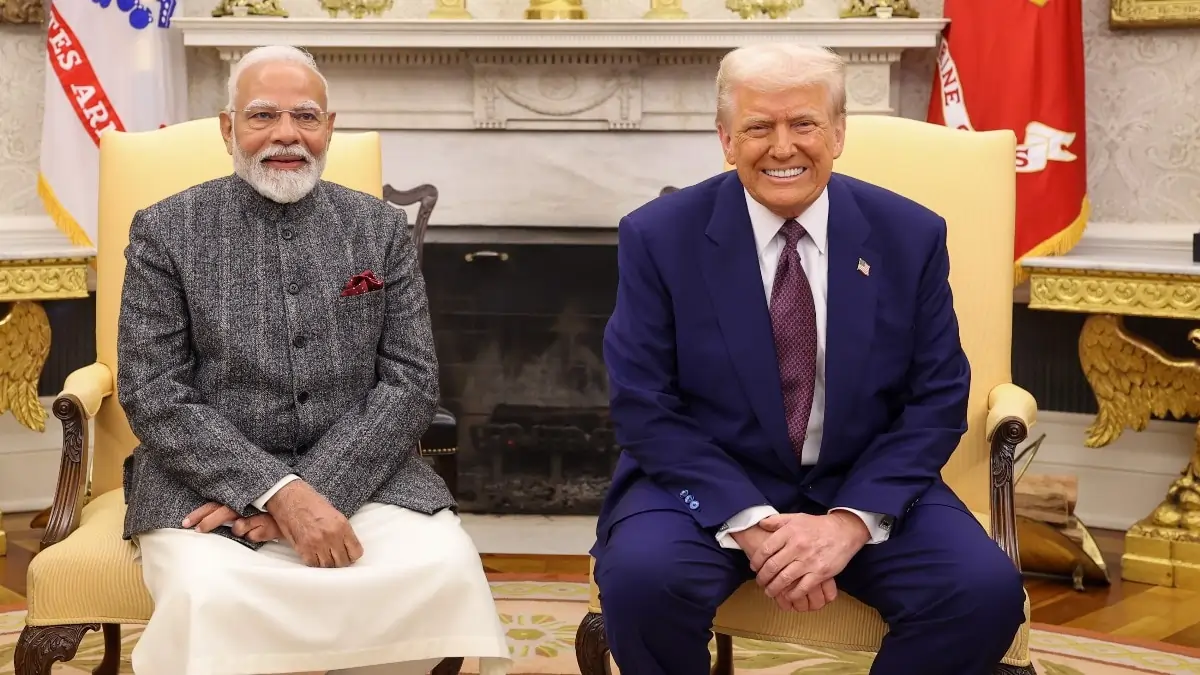
Share


Related Articles







Leave a comment