





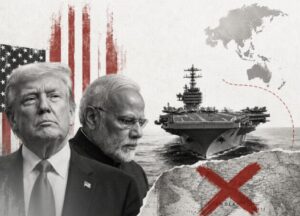


Washington, June 3, 2026-The United States Trade Representative (USTR) has determined that 60 major economies, including India, have failed to adequately impose and enforce prohibitions on imports of goods produced with forced labor. This has led to proposed additional tariffs of 10% or 12.5% on a wide range of products from these nations, covering over 99% of U.S. imports.
In findings released on June 2, 2026, following Section 301 investigations initiated in March, USTR concluded that the lack of effective forced labor import bans constitutes an “unreasonable” practice that burdens U.S. commerce. These practices allegedly create unfair cost advantages for producers using forced labor, distorting global markets and disadvantaging ethical U.S. and foreign businesses. ustr.gov According to the USTR report, 54 economies, including India, China, Japan, South Korea, Brazil, the UK, and Australia – have failed to impose such prohibitions. Six others, including Canada, the European Union, Indonesia, Mexico, Ecuador, and Pakistan, have prohibitions in place but fail to enforce them effectively. India falls into the first category, facing the higher proposed 12.5% additional duty on most products.
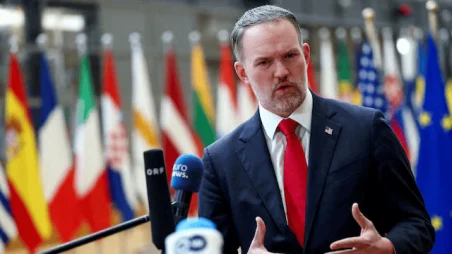
U.S. Trade Representative Ambassador Jamieson Greer stated, “The failure of our most important trading partners to address the importation of goods made with forced labor is unacceptable. This creates a dynamic where American workers are forced to compete globally on an unlevel playing field.” Greer emphasized that while some partners have taken steps via trade agreements like USMCA, broader action is needed.
The proposed tariffs include exemptions for certain items like energy products and a textile mechanism allowing limited apparel imports at reduced rates. Public comments on the proposal are due by July 6, with hearings scheduled for July 7. Final implementation could follow after review.
Timing and Trade Negotiations Context
The announcement comes as the U.S. engages in bilateral trade talks with several partners, including India. New Delhi has been negotiating a framework agreement to address tariffs, market access, and other issues. Analysts view the move as potential leverage in these discussions, though USTR frames it as a broader labor rights and fair trade initiative.
India has previously rejected similar USTR allegations in related probes (such as on excess manufacturing capacity), highlighting its ratification of International Labour Organization (ILO) conventions on forced labor and its domestic legal framework. Indian exports to the U.S. span pharmaceuticals, textiles, gems & jewelry, engineering goods, and IT services. Any broad tariffs could impact competitiveness, though bilateral exemptions via a successful trade deal remain possible.
Global Implications
This action reflects the Trump administration’s continued use of Section 301 to address perceived trade imbalances and non-market practices after earlier reciprocal tariff efforts faced legal challenges. Critics argue it risks escalating trade tensions with allies and partners alike, while supporters see it as necessary to combat modern slavery in supply chains and protect U.S. workers.
Forced labor remains a global concern, with the International Labour Organization estimating millions affected, particularly in sectors like cotton, polysilicon, and apparel. USTR’s report cites circumvention risks, where goods from high-risk regions enter via third countries lacking robust controls. ustr.gov Stakeholders, including U.S. importers and foreign exporters, now have an opportunity to submit evidence. For India, the coming weeks will be critical as it balances defense of its labor practices with efforts to secure a favorable trade outcome with its largest export market.






Leave a comment