


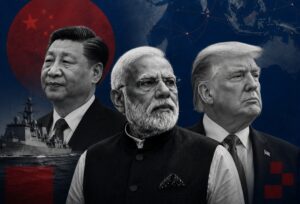
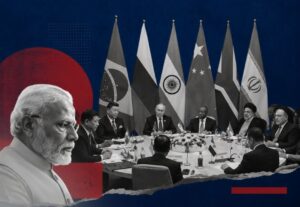


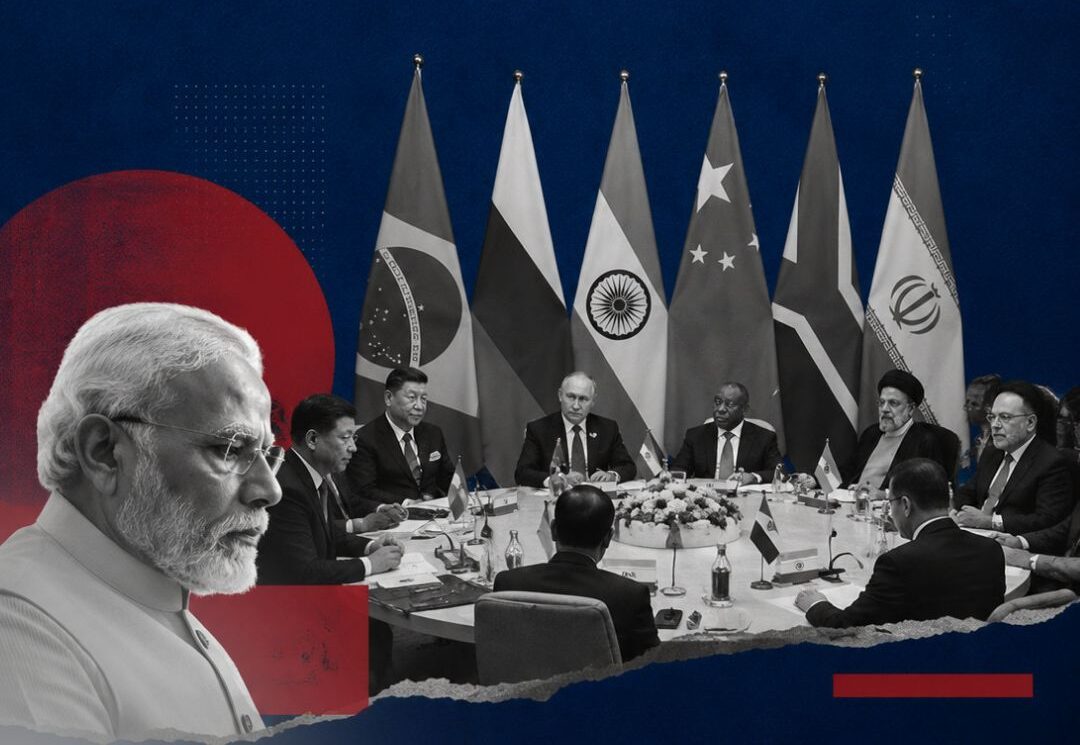
New Delhi is hosting the 16th BRICS National Security Advisers meeting on June 22-23, 2026. NSA Ajit Doval sits at the head of the table. Eleven nations are in the room. And India is calling it a diplomatic triumph. What the government will not tell you is how much of this summit exposes the deepening contradictions of a grouping that India helped build but is increasingly struggling to steer.
The Optics vs. The Reality
India has assumed the BRICS Chairship for the fourth time in 2026, following its previous tenures in 2012, 2016, and 2021, with the presidency theme “Building for Resilience, Innovation, Cooperation and Sustainability.” Sounds cohesive. But just weeks before this NSA conclave, the BRICS Foreign Ministers met in New Delhi in May, and the meeting collapsed into something no Indian presidency wants on its record. India was forced to issue a chair’s statement instead of a joint communiqué on the situation in the Middle East, as there were non-bridgeable differences among members. That is diplomatic language for: the bloc could not agree on a single shared position. The fault lines were not merely procedural, they were structural, reflecting fundamentally different visions of international order within BRICS itself
Iran in the Room, and the Problem That Creates
Iran’s Supreme National Security Council Deputy Secretary Nezamipour is attending the New Delhi conclave, which makes for an uncomfortable arrangement. Iran is a BRICS member. It is also a country that India formally counts as a strategic partner while simultaneously maintaining deep ties with Washington and Tel Aviv. During the BRICS Foreign Ministers’ meeting in May, Iran’s Foreign Minister Abbas Araghchi called on BRICS members to condemn the United States and Israel over what he described as unlawful aggression against Tehran, warning that promoting the notion of a divided BRICS would tarnish the reputation of India as chairman. India said nothing in response that mattered. New Delhi sat silently at the head of a table where one of its own members was demanding it take a position it could not afford to take.
This is not leadership. This is managed paralysis.
Wang Yi Arrives, and That Tells Its Own Story
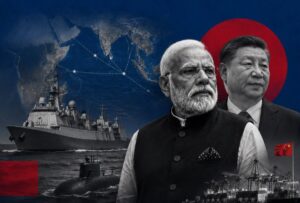
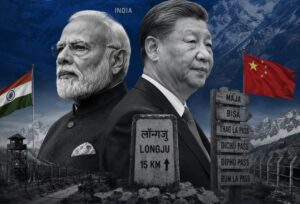
Chinese Foreign Minister Wang Yi skipped the BRICS Foreign Ministers’ meeting in May to remain in Beijing for US President Donald Trump’s state visit during May 13-15. He is, however, present for the NSA meeting this week. The message from Beijing is clear: China engages with BRICS on its own terms, on its own schedule, and for its own strategic calendar. India as chair cannot change that dynamic. Wang Yi will discuss the current international security situation and major international and regional issues with other BRICS members, including a bilateral meeting with Doval. Those bilateral talks carry the real weight here, not the multilateral agenda. The normalisation of India-China ties since the Ladakh border disengagement in late 2024 is being used by Beijing to extract what it needs from India’s presidency year. As former diplomat and strategic analyst Kanwal Sibal has noted, “India’s engagement with China within multilateral formats cannot substitute for unresolved bilateral grievances. The border may be quiet, but the strategic competition has not paused.”
The Pakistan Question Nobody Wants to Raise
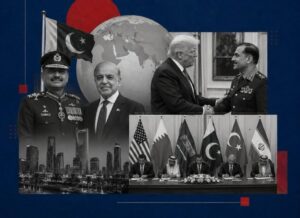
The Pakistan membership question is likely to return under China’s chairmanship in 2027 with renewed momentum. India has blocked Islamabad’s entry so far, but every month that passes with China deepening its role in BRICS makes that resistance harder to sustain. India and China remain geopolitical rivals despite economic cooperation, and Iran and the UAE are on opposing sides of major regional conflicts, making consensus-building inside the expanded bloc increasingly difficult.
External Affairs Minister S. Jaishankar, speaking at the BRICS Foreign Ministers’ meeting in May, stated that “reformed multilateralism is not optional, it is essential for a functional world order.” Agreed. But reformed multilateralism also means India cannot keep vetoing Pakistan’s entry indefinitely inside a bloc where Beijing, Moscow, Tehran, and Riyadh see Islamabad as a legitimate strategic actor.
What This Summit Actually Is
The Indian side is likely to raise concerns over terrorism including cross-border terrorist activities. The Pakistan- Afghanistan hostilities may also feature in deliberations. These are legitimate concerns. But raising them inside BRICS, where China, Iran, and Russia have fundamentally different definitions of terrorism and state-sponsored violence, is largely performative. There are no enforcement mechanisms. There is no binding outcome. BRICS operates under a framework of consensus, and India has already had to issue chair’s statements with specific paragraphs where unanimity could not be reached.
Conclusion
The 16th BRICS NSA meeting is an important diplomatic event. India deserves credit for hosting it, managing the agenda, and keeping eleven nations with contradictory interests in the same room. But credit for management is not the same as credit for leadership. A bloc where your co-chair skips meetings for Trump’s Beijing dinner, where your own members demand you condemn your allies, and where the membership expansion you oppose is only a year away from being forced through, is not a bloc you control. India chairs BRICS in 2026. Whether it shapes what BRICS becomes in 2027 and beyond is a far less settled question.






Leave a comment