


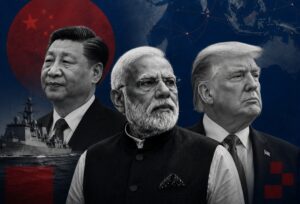
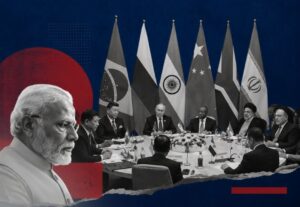


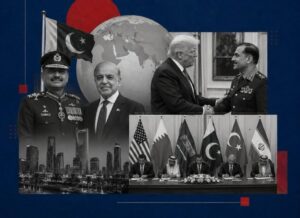


For over a decade, India has projected itself as the Vishwa guru (World Teacher) and an emerging “Net Security Provider” in the Indian Ocean Region (IOR). Through expansive naval exercises, multilateral partnerships, and a carefully curated diplomatic rhetoric, New Delhi has sought to carve out a role as a stabilizer amid the turbulent waters stretching from the Strait of Hormuz to the Strait of Malacca. Yet, the events of the past two week beginning with the US-Israeli assassination of Ayatollah Ali Khamenei and culminating in the sinking of the IRIS Dena off the coast of Sri Lanka have exposed the fragility, and perhaps the superficiality, of India’s strategic posturing. The unfolding crisis raises critical questions: Can India credibly claim regional stewardship while its own strategic autonomy is under siege? Is the country’s vaunted multi-alignment more myth than method? And, most importantly, can India reconcile its aspirations for global leadership with the reality of constrained agency in the Indian Ocean?
The Dena Incident: A Betrayed Guest
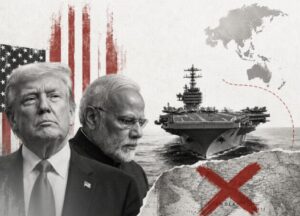
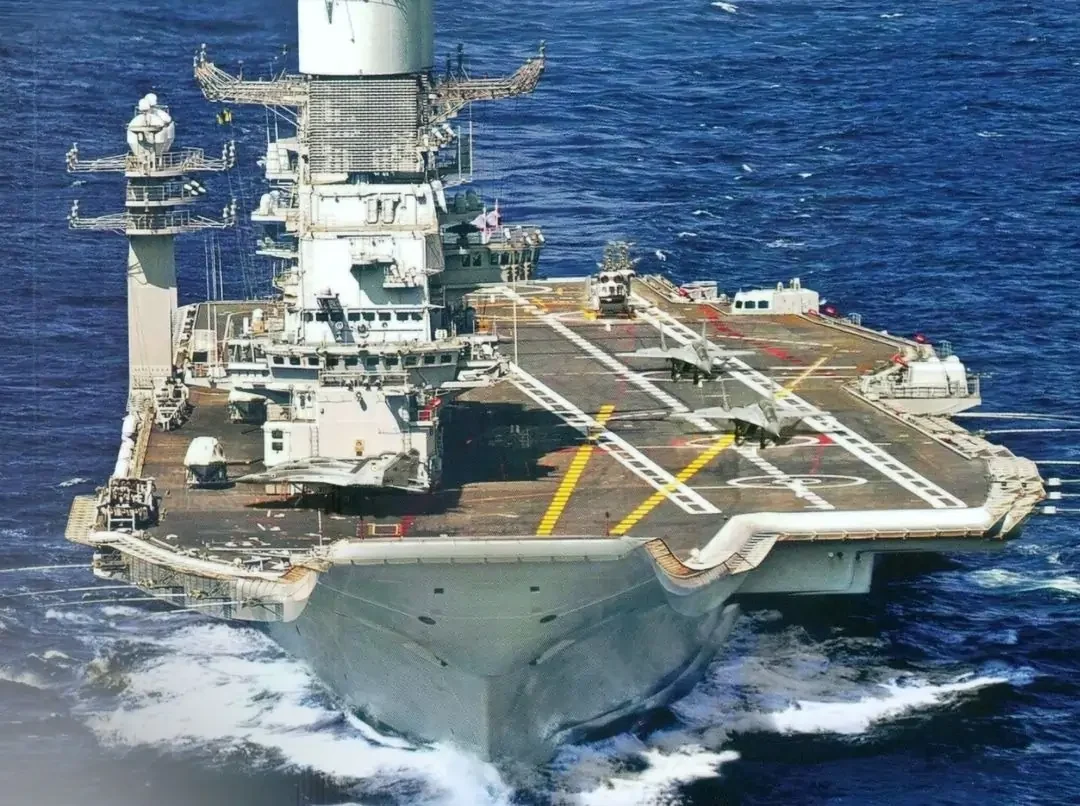
On 04 March, 2026, the Iranian Navy vessel IRIS Dena, returning from the MILAN 2026 exercises in Visakhapatnam, was struck and sunk by the nuclear-powered US submarine USS Charlotte. The incident was alarming not only due to its occurrence within India’s maritime domain but also because the Dena had been a “guest” of the Indian Navy, participating in exercises hosted by New Delhi and reportedly maintaining amicable relations with Indian officers onboard. The US rationale that the vessel’s guest status had formally concluded on 25 February is a detached legalistic response that appeases no one, particularly the Iranian sailors who either perished or were abandoned at sea. This incident signifies a strategic embarrassment for India. Despite the country’s longstanding assertions of its preparedness to protect the waters of the Indian Ocean Region, its naval and diplomatic responses were notably subdued during and following the attack. Sri Lankan and Maldivian forces conducted search-and-rescue operations for survivors, while Indian naval assets remained in port. For nations in the Global South, India’s inaction conveyed a distinct message: its security umbrella is neither autonomous nor extensive it functions solely within parameters authorized by Washington.
The Death of Strategic Autonomy
India has established its foreign policy identity based on strategic autonomy and multi-alignment, fostering relationships concurrently with Tehran, Washington, Moscow, and Beijing. However, the recent crisis in West Asia has starkly revealed the limitations of this approach.
Inaction regarding Khamenei
The assassination of Ayatollah Khamenei on March 1 reverberated throughout the region. India’s reaction, or absence of one, has been notably characterized by restraint. No official diplomatic condolences were expressed, nor was any public statement of concern issued. Opposition parties in New Delhi have justifiably condemned the government’s reluctance, perceiving it as a tacit surrender to American interests. Analysts contend that India’s silence is driven by apprehension of secondary sanctions from the West and a pronounced aspiration to maintain favorable relations with the “Threshold Alliance,” an informal coalition of US-led powers wielding global strategic influence. The message is unequivocal: when faced with extrajudicial violence near its allies and partners, India favors compliance rather than confrontation.
Energy Vulnerability
India’s energy considerations further limit its flexibility. With the Strait of Hormuz effectively a conflict zone and Brent crude prices soaring above $120 per barrel, India faces a dual crisis: a potential economic shock from disrupted oil supplies and a reputational one from failing to assert regional leadership. Notwithstanding decades of investment in domestic energy and strategic reserves, India remains vulnerable to the fluctuations of global oil markets. By refraining from a decisive role in de-escalation or mediation, New Delhi jeopardizes not only its economic interests but also its credibility among regional partners.
From “Net Security Provider” to Bystander India’s “Neighborhood First” policy, previously acclaimed as a paradigm for regional leadership, is currently being redefined by Sri Lanka and the Maldives. The nations that India has traditionally sought as allies intervened to assist Iranian sailors and address the humanitarian consequences of the Dena incident. Indian naval and diplomatic apparatus, by contrast, remained largely inactive.
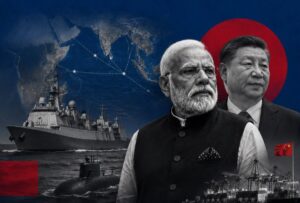
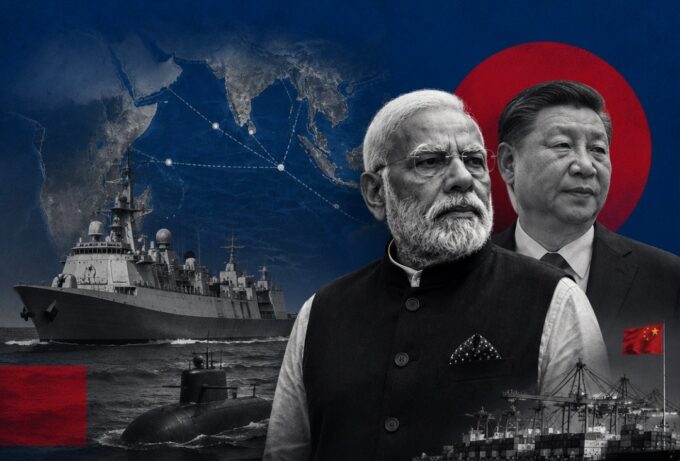
For India, this is more than a tactical embarrassment; it is a strategic signal to Beijing. China, with its Belt and Road Initiative and the growing footprint of the People’s Liberation Army Navy in the IOR, is undoubtedly taking note. India’s assertion as a counterbalance to Chinese influence depends on the reliability of its naval and diplomatic actions. However, when the torpedoes of a US submarine hit a friendly vessel in India’s vicinity, New Delhi’s silence diminishes its status to that of a mere spectator—a “net bystander” rather than a “net security provider.”
The Expense of Adherence
India’s recent maneuvers in the United Nations Security Council exemplify the discord between rhetoric and actuality. By co-sponsoring resolutions that condemn Iran while remaining silent on extrajudicial strikes against Tehran’s infrastructure, India has effectively aligned itself with Western priorities, undermining its image as an independent actor capable of bridging East and West.
True leadership in a multipolar world requires more than hosting naval parades, showcasing indigenous defense systems, or crafting media-friendly narratives. It requires the audacity to inform influential allies when they have transgressed a critical boundary in one’s strategic domain. In the absence of assertiveness, India’s assertions of global leadership may be regarded as mere domestic political theatrics rather than a legitimate strategy.
India’s aspirations of “Vishwa guru” and its assertions of being a net security provider are at a pivotal moment. Recent events in the Indian Ocean and West Asia have highlighted a gap between narrative and capability, between ambition and execution. The world is watching: regional powers, allies, and competitors alike are assessing whether India can act decisively in defense of its interests or whether it will remain bound by external pressures.
True leadership in the IOR and beyond cannot be achieved through pageantry, photo-ops, or domestic slogans. It is acquired through assuming responsibility, making difficult decisions, and expressing one’s perspective during crises. Until New Delhi exhibits this audacity, its strategic reticence will persist in undermining its global ambitions, relegating India to a mere observer in the waters it professes to protect.






Leave a comment