















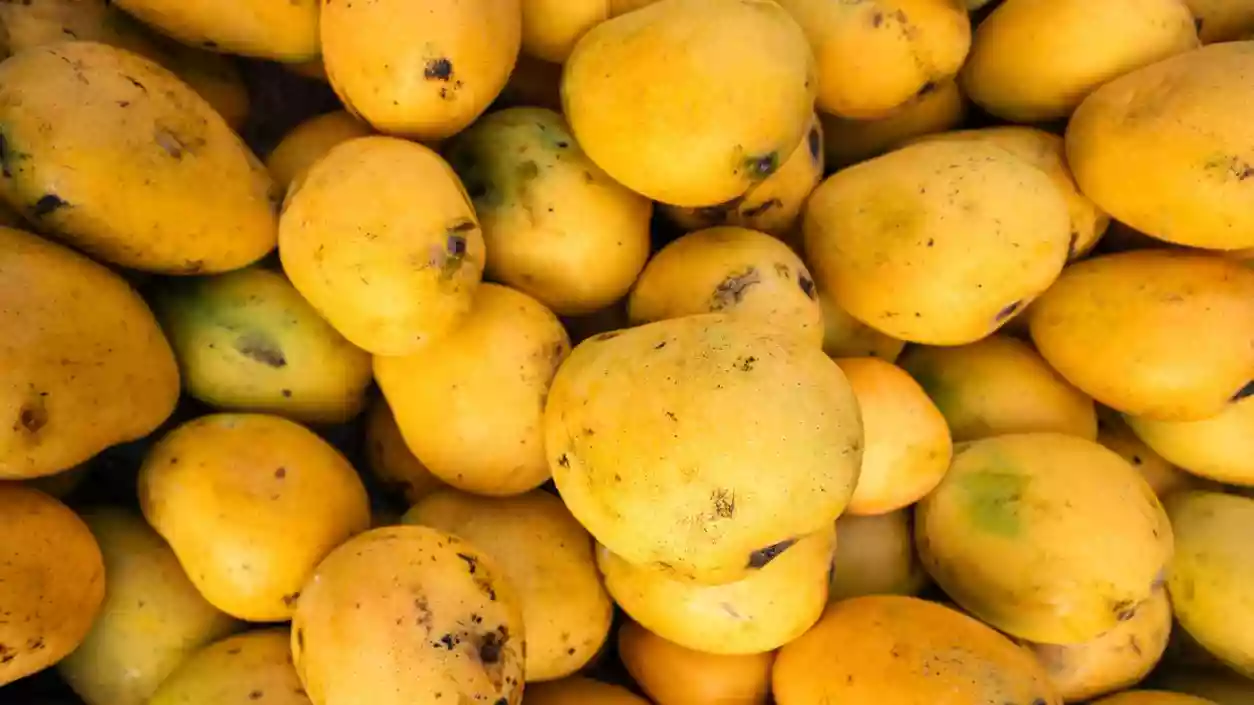
Nepalese government has announced its decision to impose a ban on Indian mangoes after chemical pesticides were found in excessive levels by the border quarantine inspectors. The restrictions have been placed by Nepal since April-May this year. The restrictions have been imposed by the Nepalese ministry of Agriculture and livestock development.
Nepal’s government officials have framed the decision in terms of protection of the domestic production of similar fruit varieties. Spokesperson of the Agriculture ministry of Madhes province in conversation with Rising Nepal said that the restrictions on Indian fruits have resulted in more opportunities for locally produced fruits.
Fruit traders in the country have however expressed their concerns on the government decision, citing potential shortages resulting in price hikes. Despite being a mango producing country, Nepal is unable to meet local demands for the fruit, as it exports more than imports. Furthermore, domestic production can’t meet market needs as the season of Nepali mangoes lasts for less than 2 months.
Traders have urged the government to adopt strict quarantine policies instead of placing a blanket ban on imports from India.
Although India’s top export markets for the fruit are US, Netherlands, UAE, UK and Saudi Arabia, the excessive levels of chemical pesticides raise credibility questions for India’s fruit export and production.
It is important to note that last month, Japan announced a ban on Indian Langra, Kesar, Banganapalli and Alphonso varieties. The ban enacted first time in 20 years, came after Japanese authorities found irregularities at Indian facilities.











Leave a comment