






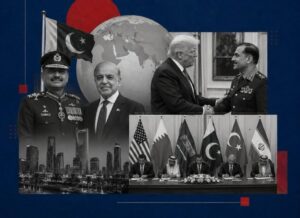

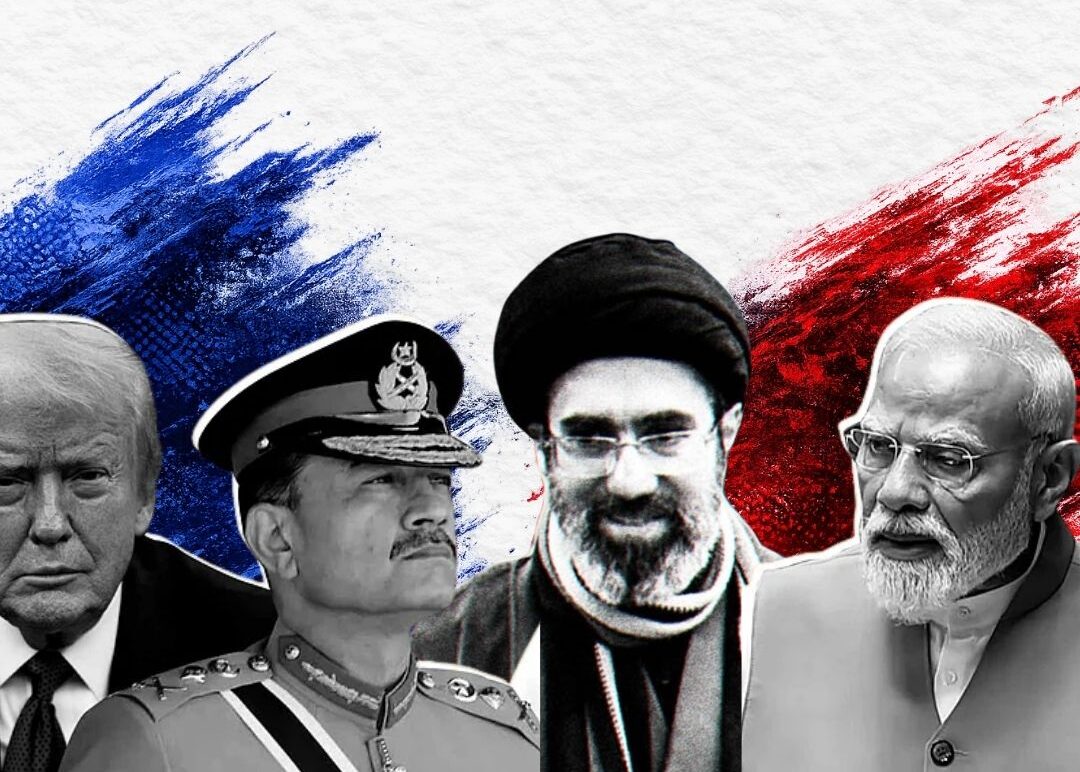
On April 7, 2026, a two-week ceasefire between the United States and Iran was announced. The back-channel that made it possible ran through Islamabad. Pakistan Prime Minister Shehbaz Sharif and Army Chief Field Marshal Asim Munir had spent weeks quietly ferrying a detailed 15-point American ceasefire proposal to Tehran, carrying Iranian responses back to Washington, and offering Pakistan as neutral ground for follow-up negotiations. Iran’s Foreign Minister publicly thanked both men by name. The ceasefire, fragile as it remains, is being called the Islamabad Accord in diplomatic circles.
India, the world’s most populous democracy and self-declared vishwaguru, was not part of any of it. Not the backchannel. Not the messaging. Not the venue offer. Not the acknowledgment.
This is the story of how that happened, and why it was entirely predictable.
What Pakistan Actually Did
Pakistan did not stumble into this role. It moved with speed and purpose the moment the U.S.-Israel strikes on Iran began escalating toward a Strait of Hormuz shutdown that would have devastated every economy in the region, including Pakistan’s own.
Sharif publicly called for an immediate ceasefire while Munir worked the phones with Iranian military counterparts through channels kept deliberately warm over years of functional bilateral engagement. Pakistan coordinated simultaneously with China, which backed the mediation effort, with Saudi Arabia through an existing mutual defense arrangement, and with Turkey and Egypt through overlapping regional frameworks. This multi-player alignment gave the Islamabad process credibility that no single actor could manufacture alone.
According to Reuters and Bloomberg reporting from March and April 2026, Pakistan’s role was driven as much by self-interest as by statesmanship. Most of Pakistan’s fuel imports transit the Strait of Hormuz. Escalation would have been economically catastrophic. Its mutual defense pact with Saudi Arabia risked pulling it into a wider conflict on the American side. Mediation was self-preservation wearing the costume of diplomacy. That it produced a genuine ceasefire does not make it altruistic. It makes it effective.
Why India Was Not Called
The answer is not complicated, though it is uncomfortable for anyone who has spent the last decade being told India’s global standing had never been higher.
The single most consequential reason is Israel. Modi’s visit to Tel Aviv, culminating in his public embrace of Benjamin Netanyahu in the period immediately preceding the U.S.-Israel strikes, told Tehran everything it needed to know about India’s alignment. When you need a neutral messenger between yourself and Washington, you do not choose a country whose Prime Minister was photographed with the man ordering strikes on your territory days earlier. India had disqualified itself before the crisis began.
The second reason is that India allowed its Iran relationship to atrophy precisely when it needed it most. New Delhi halted Iranian oil imports under U.S. sanctions pressure, slowed investment momentum at Chabahar port, and reduced diplomatic engagement with Tehran to routine statements. Pakistan maintained working military and diplomatic channels with Iran consistently. When the crisis required trusted access, Pakistan had it. India did not.
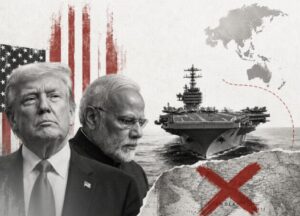
The third reason is the one that stings most. The United States chose Pakistan’s channels partly because Washington’s relationship with the Trump administration ran warmer through Islamabad than through New Delhi at that specific moment. As The Wire analysis noted, India’s relations with the Trump team were “rockier,” and Washington needed speed and reliability, not prestige and GDP figures.
A Decade of “Isolate Pakistan” Collapses in One Ceasefire
For ten years, the strategic isolation of Pakistan was presented as a cornerstone of Modi’s foreign policy. Diplomatic contacts were suspended. International forums were used to publicly name Islamabad as a terror-sponsoring state. The explicit goal was to render Pakistan diplomatically irrelevant.
The Islamabad Accord is the verdict on that strategy.
Pakistan, the country India spent a decade trying to isolate, emerged as the trusted mediator between two major powers, welcomed by Tehran, relied upon by Washington, coordinated with Beijing, and thanked publicly by the Iranian leadership. India, which spent those same years projecting strength, was described in international reporting as focused on “protecting oil flows and Indian nationals,” reactive and risk-averse rather than agenda- setting.
As The Wire’s analysis stated without diplomatic cushioning: “For all the chest-thumping about isolating Pakistan, it is Modi’s India that looks isolated when it actually mattered.”
The Chabahar Verdict
India invested heavily in Chabahar port in Iran specifically to build strategic depth with Tehran while bypassing Pakistan geographically. In the 2026 crisis, that investment produced zero diplomatic leverage. India was excluded from every meaningful conversation with the country in whose port it had sunk hundreds of millions of dollars. Commercial infrastructure without geopolitical trust is just concrete. The Islamabad Accord proved that Pakistan’s decades of maintained relationships with Iran were worth more in a crisis than India’s port investment and lapsed diplomatic channels combined.
The Islamabad Accord is not simply a Pakistani diplomatic win. It is a direct measurement of what India’s foreign policy choices actually produced when tested against a real crisis. A government that built its entire international image on personal summits, public gestures, and the language of vishwaguru discovered that none of those things constitute a backchannel. None of them move ceasefire proposals between capitals at war. Pakistan showed up with relationships, access, and flexibility. India showed up with a statement about energy security.
The world noticed the difference. History will record it.






Leave a comment