


New Delhi: The Ministry of Electronics and Information Technology (Meity) has witnessed a sharp rise in online content blocking orders, which have doubled in the past year, primarily driven by the proliferation of deepfakes and objectionable Al-generated posts on social media platforms.
According to senior ministry officials, the number of blocking orders surged from around 12,600 in 2024 to approximately 24,300 in 2025 (till December). This marks a significant increase from the average of 6,000 orders reported to Parliament in 2023. Authorities attribute the spike to the rapid misuse of artificial intelligence tools that create highly realistic yet deceptive content, including deepfake videos, synthetic images, and misleading audio that can incite misinformation, violate privacy, or harm public order.
Platform-wise, roughly 60% of current URL blocking orders target X (formerly Twitter), followed by 25% for Facebook and Instagram combined, and about 5% for YouTube. The remaining orders likely cover other platforms or direct website blocks. Many orders involve content from political parties, public figures, or viral posts deemed unlawful under Section 69A of the IT Act, which allows blocking for reasons related to sovereignty, public order, or national security.
This trend coincides with recent amendments to the Information Technology (Intermediary Guidelines and Digital Media Ethics Code) Rules. In February 2026, Meity notified changes that explicitly regulate “synthetically generated information” (SGI), including deepfakes. Key provisions mandate prominent labeling of Al-generated content throughout its display, embedding of traceable metadata or unique identifiers, and stricter takedown timelines: platforms must remove flagged unlawful content within three hours of a government or court order, with even shorter two-hour windows for non-consensual intimate imagery or impersonation cases.
Additional proposals under discussion include expanding blocking powers to other ministries like Home Affairs and Defence for faster response, and stricter disclosure norms requiring continuous visible labels for synthetic media. Platforms failing to comply risk losing safe harbour protection under Section 79 of the IT Act.
Experts view these measures as a proactive response to Al-driven harms, such as election interference, revenge porn via deepfakes, and viral misinformation. However, critics raise concerns over potential overreach, free speech implications, and the challenges of enforcement in a vast digital ecosystem. The government maintains that interim urgent blocking orders have also increased as an immediate safeguard while full reviews proceed. As Al tools become more accessible, Meity continues to push platforms toward greater accountability, including automated detection tools and user declarations for synthetic content.
This escalation underscores India’s balancing act between curbing online harms and fostering digital innovation in an era where synthetic media can spread rapidly across borders. Stakeholders await further clarity on implementation as feedback on proposed tweaks to the IT Rules is reviewed.


Latest News
 IndiaDecodeApril 27, 20262 Mins read83
India’s Online Content Blocking Orders Double to Over 24,000 in a Year Amid Surge in Deepfakes and Al-Generated Content
 IndiaDecodeApril 27, 20262 Mins read83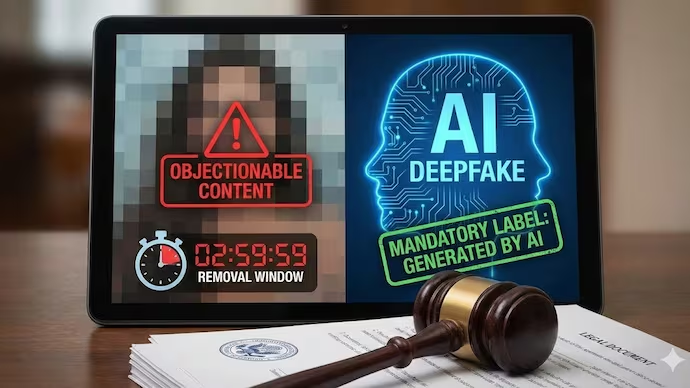
Share


Related Articles
Latest NewsIndiaDecode1 Mins read
Breaking News Live: Top Stories, Current Affairs, and Updates
Delhi Police Enforce Restrictions, Urge Residents Against Planned Protest Police officials visited...
IndiaDecode1 Mins read
LatestIndiaLatest NewsPoliticsRegionIndiaDecode5 Mins read
New Delhi’s Illusions of A Partnership with Washington
The history of the US-India relationship for three decades had been on...
IndiaDecode5 Mins read

Latest NewsArticlesIndiaIndiaDecode4 Mins read
Spirals of Silence: Why Bollywood’s Remains Silent on Youth Protests?
Whenever India blows up - on the issue of NEET paper leaks,...
IndiaDecode4 Mins read
Latest NewsArticlesIndiaDecode3 Mins read
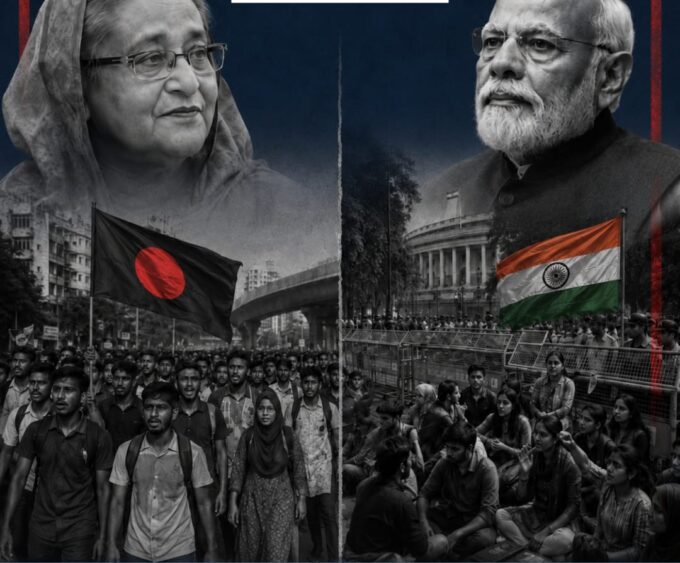
From Dhaka’s Streets to Delhi’s Jantar Mantar: A Warning Modi Cannot Afford To Ignore
Two Capitals, One Familiar Story Sheikh Hasina ruled Bangladesh for fifteen straight...
IndiaDecode3 Mins read




Leave a comment