









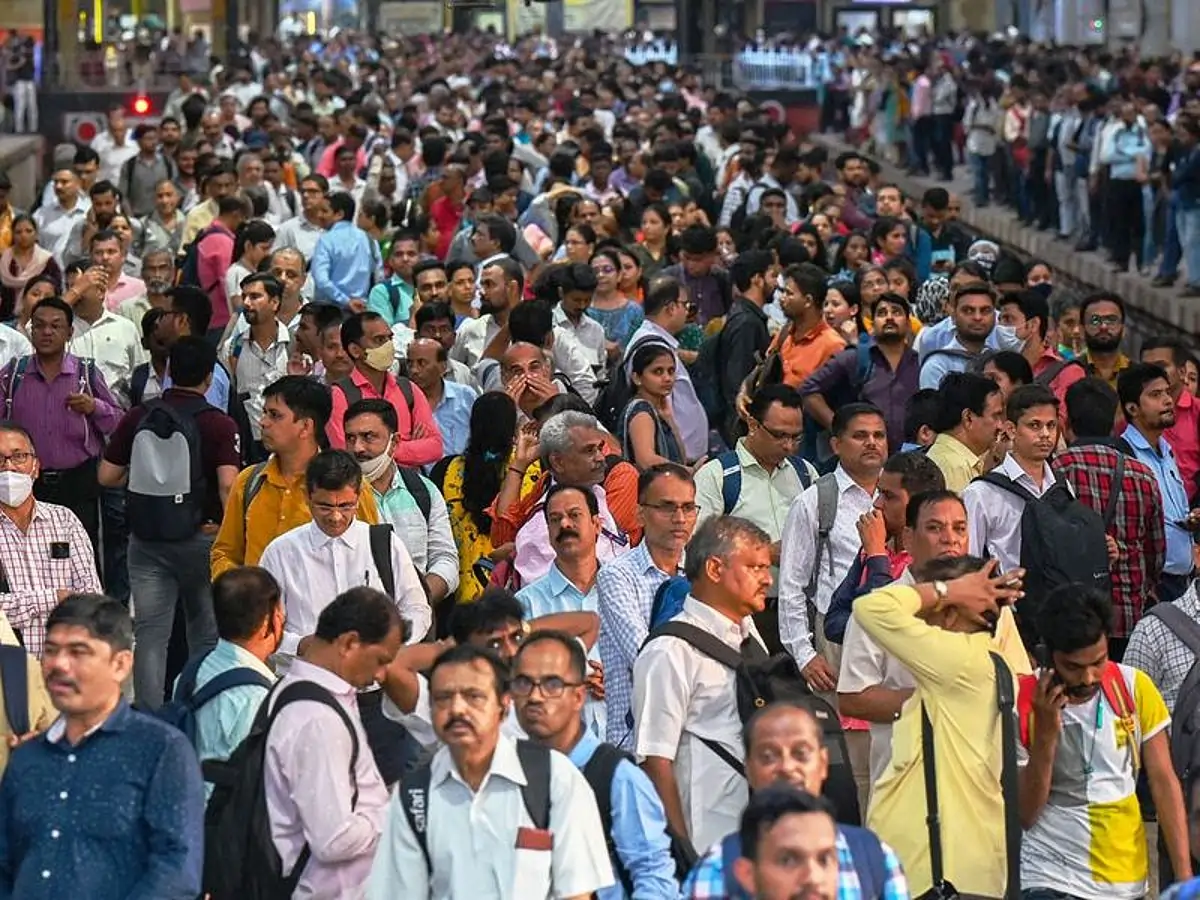
India has commenced what is likely to be the most ambitious exercise in the country’s history, as the nation embarks on the largest census operation in the world, aiming to cover over 1.4 billion people in the first national population count in more than 15 years. The operation, which will be conducted in two phases, will see over three million officials carry out the exercise across 36 states and Union territories, thousands of towns, and hundreds of thousands of villages. This will be the 16th census in the history of the nation, while the eighth since independence in 1947. The census will, for the first time, be conducted digitally, as the enumerators will use mobile applications to carry out the exercise.
In the exercise, the respondents will be asked 33 questions, which will cover a range of topics from the conditions in which they live, access to amenities, education, employment, migration, and fertility rates.
In addition, the census will include caste, which has been a politically charged issue in the country in recent times, likely to affect policymaking, welfare, and representation in the country’s democratic process. The exercise will be carried out in two stages, with the first phase focusing on housing and household conditions, and the second phase, scheduled for early 2027, collecting demographic and socio-economic data. The initial rollout has already begun in various regions, including Delhi, Goa, Karnataka, and parts of northeast India.
India, which surpassed China to become the most populous country in 2023, remains one of the youngest countries in terms of population, with a median age of 28 and a large percentage of its population in the working age bracket. However, the delay in the census, which was initially scheduled for 2021 due to the pandemic, has resulted in a lack of data, and policymakers are forced to rely on estimates and surveys carried out by various agencies.
Experts stress how important it is to carry out a new census and how a lack of updated data can impact governance, considering how many regions in India have seen a dramatic change in recent years.







Leave a comment