


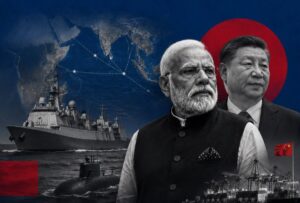
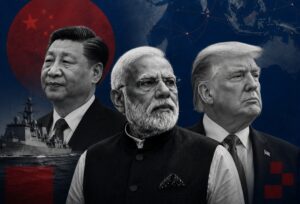
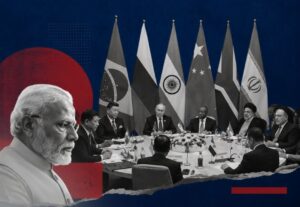

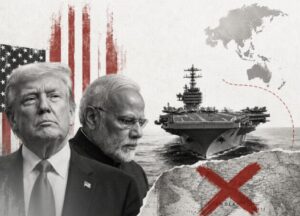

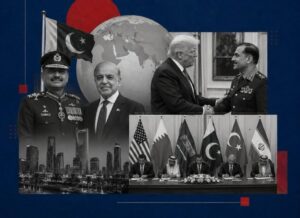

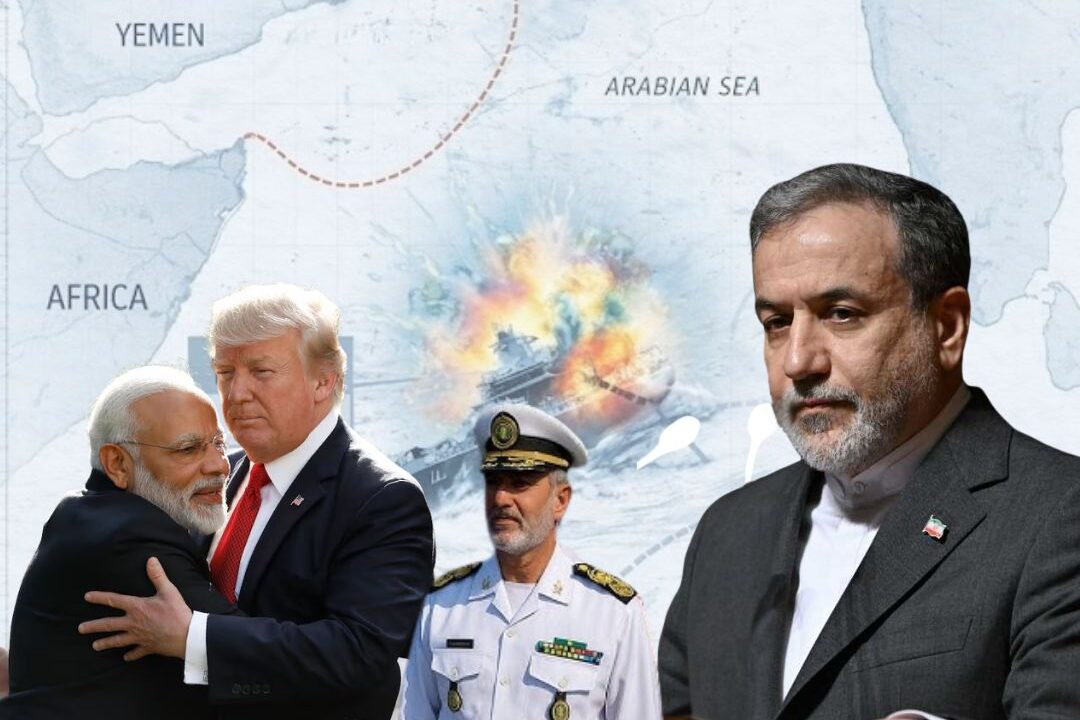
On March 4, 2026, a U.S. submarine sank the Iranian frigate IRIS Dena in Sri Lanka’s exclusive economic zone, killing over 100 Iranian sailors. For the Pentagon, it was a wartime operation. For New Delhi, it was something else entirely: a quiet, calculated humiliation delivered without a single diplomatic warning.
The incident did not occur in a distant battlefield but in waters that New Delhi considers part of its immediate maritime neighborhood. What makes the event even more uncomfortable for India is the fact that the Iranian vessel had just participated in a major Indian naval engagement days earlier.
The IRIS Dena had taken part in India’s flagship naval engagement alongside ships from dozens of countries, sailing as a diplomatic guest of the Indian Navy. Yet within days of leaving Indian waters, the vessel was torpedoed by an American submarine in the Indian Ocean near Sri Lanka. According to reports, 32 sailors were rescued while more than 100 remain missing or dead, making it one of the most dramatic naval incidents in the region in decades.
In diplomatic tradition, this is not a minor procedural violation. Attacking a vessel immediately after it exits a host nation’s waters, with no prior consultation, is widely understood as a slight to that host. The message to every navy that attended India’s exercises is now unambiguous, sailing under India’s flag of hospitality offers no guarantee of safety once you leave.
The MAHASAGAR Vision, Quietly Undermined
Prime Minister Modi has spent years building the idea of India as the Indian Ocean’s “preferred security partner,” wrapping it neatly in the acronym MAHASAGAR, a vision that positions New Delhi as the region’s indispensable convener of maritime cooperation. That vision rests on one foundational premise, India can maintain stability and earn the trust of all navies operating in its neighborhood.
The U.S. strike punctured that premise in a single afternoon.
As Brahma Chellaney, professor emeritus of strategic studies at the Centre for Policy Research, put it bluntly on X:
“By sinking a vessel returning from an Indian-hosted multilateral exercise, Washington effectively turned India’s maritime neighborhood into a war zone, raising uncomfortable questions about India’s authority in its own backyard.”
That is not opposition rhetoric. That is a strategic assessment from one of India’s most respected security thinkers.
Silence From South Block
Prime Minister Narendra Modi has repeatedly projected India as a central security actor in the Indian Ocean. The government’s maritime doctrine emphasizes cooperation, stability and India’s role as a preferred security partner in the region.
What makes this episode particularly damaging is not just what America did. It is what India failed to do. As of writing, India’s Ministry of Defence and Ministry of External Affairs have issued no statement, offered no protest, and made no public demand for an explanation. The U.S. Embassy in New Delhi also declined to comment on whether Washington had even informed India in advance.
Retired Vice Admiral Pradeep Chauhan captured the larger danger:
“With China and Russia sending naval forces into the area, the situation is fraught with great risk for everyone.”
India routinely conducts joint patrols with Sri Lanka in precisely these waters. The sinking occurred in a busy shipping corridor through which a significant portion of India’s energy imports travel. This is not someone else’s crisis zone. This is India’s maritime highway.
The Modi government now finds itself walking a diplomatic tightrope. India has historically maintained energy and strategic ties with Iran. At the same time, the United States has become a critical defence and technology partner.
This balancing act is becoming harder as Middle Eastern conflicts spill into the Indian Ocean. India imports a significant portion of its oil from the Gulf region and depends heavily on maritime trade routes passing through the same waters. According to the International Energy Agency, nearly 80 percent of India’s crude oil demand is met through imports, much of it transported via Indian Ocean sea lanes.
The Deeper Political Damage
The incident lands on top of already festering wounds. Modi visited Israel and met Benjamin Netanyahu shortly before the joint U.S.-Israeli strikes on Iran, a timing that opposition figures interpreted as tacit approval. The government has still not explicitly condemned those strikes. Now, with an Iranian ship sunk in India’s backyard, without any prior consultation from Washington, the question is no longer about foreign policy nuance. It is about whether India has any real agency in its own region at all.
Bloomberg Economics analysts Chetna Kumar and Adam Farrar noted that the episode
“risks frictions with Washington and domestic embarrassment for Indian Prime Minister Narendra Modi’s government.” That is a careful, measured observation. The truth on the ground is less careful.
One torpedo has done what years of geopolitical pressure could not: forced India to confront the hard truth that its carefully cultivated image of regional maritime leadership is only as strong as the respect other powers are willing to give it. Washington clearly does not feel obligated to offer that respect. And Modi’s government, by staying silent, has accepted that condition without negotiation.
India does not need to go to war over this. But it does need to speak. Because a nation that cannot defend its own maritime hospitality in words has already surrendered it in practice.







Leave a comment