





Two Capitals, One Familiar Story
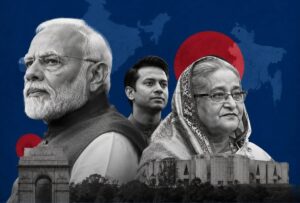
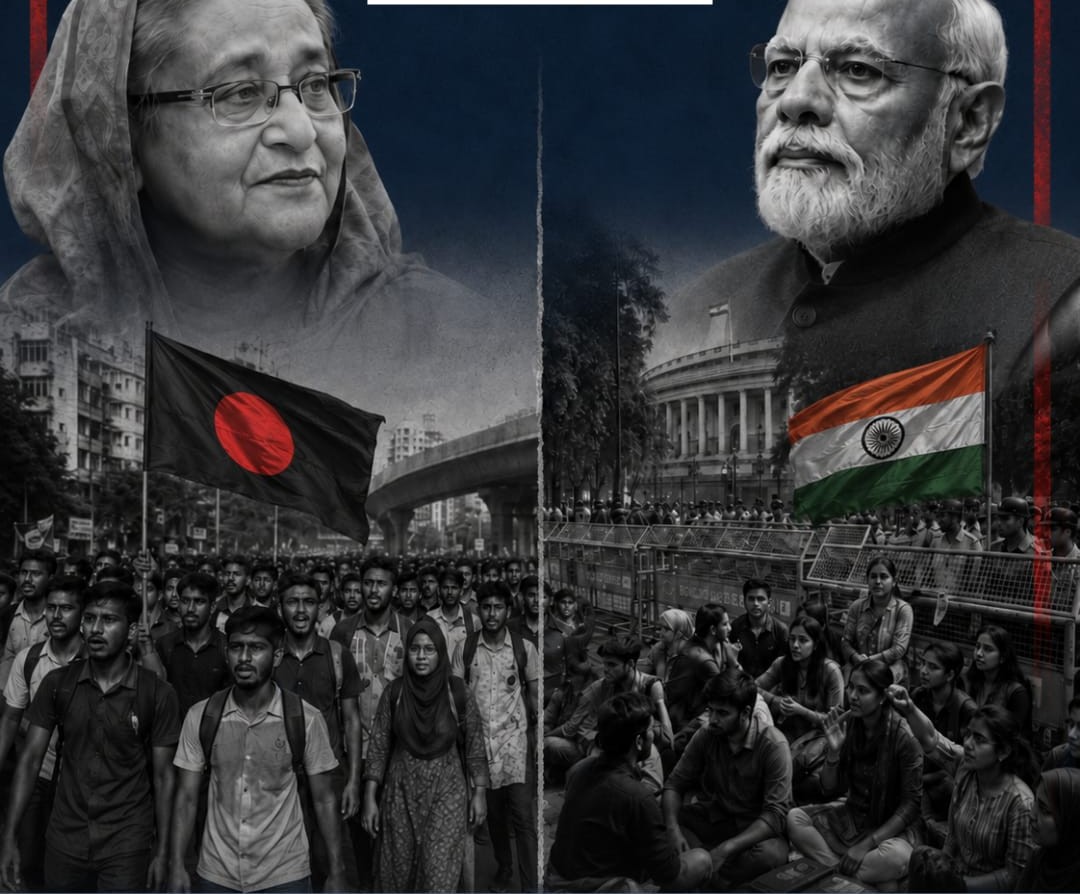
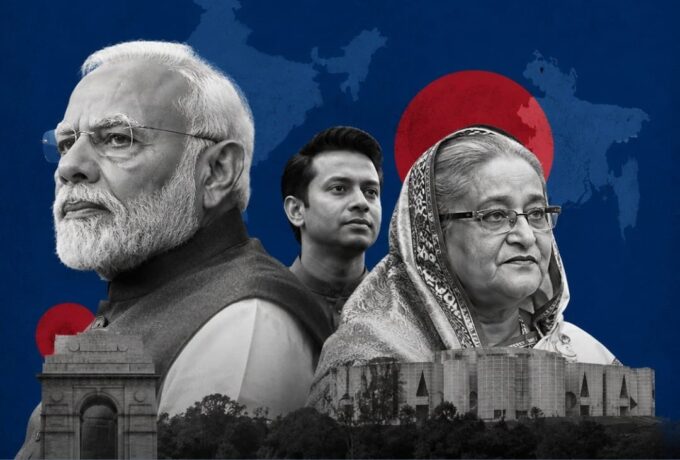
Sheikh Hasina ruled Bangladesh for fifteen straight years and looked untouchable until the moment she was not. What began in July 2024 as student anger over a job quota system spiraled into a nationwide uprising that left at least 150 dead and eventually ended her government. The pattern was simple and brutal. A government dismisses young people’s anger, deploys police instead of dialogue, and discovers too late that it has turned a grievance into a movement it cannot control.
Watch the scenes from Jantar Mantar this week and the parallel writes itself. More than 10,000 protesters, tear gassed and baton charged, marched toward Parliament demanding the resignation of Education Minister Dharmendra Pradhan. The trigger was not a quota system this time but a broken examination process, the same NEET paper leak and CBSE marking chaos that has haunted Indian students for two years, and it has produced a protest movement that mocks the government even in its name, the Cockroach Janta Party.
Born From a Judge’s Insult
The name itself is worth sitting with. Chief Justice Surya Kant, hearing a contempt matter in May, remarked that unemployed young people who take to social media and activism are “cockroaches” who do not get any employment or have any place in the profession. Instead of shrinking from the insult, India’s unemployed youth adopted it as their banner within a day. What started online as satire, founded by former Aam Aadmi Party strategist Abhijeet Dipke, has grown into a street movement large enough to shut down metro exits and force police to seal roads around the national capital.
The Hunger Strike That Changed the Scale
Just as Hasina’s government misjudged the anger simmering under Bangladesh’s economic numbers, New Delhi appears to be misjudging what is happening at Jantar Mantar. The turning point came when veteran Ladakhi activist Sonam Wangchuk joined the protest and began an indefinite hunger strike. His forcible hospitalization over the weekend, after three weeks without food, did to this movement what the killing of student protesters did in Dhaka. It converted anger into outrage and pulled in crowds that had stayed on the sidelines, including senior citizens and families with children marching in the monsoon rain.
“This rotten system refuses to take action,” said yoga teacher Jyoti Rajput, one of the marchers. “It cannot see the pain of students, and that’s why so many people have joined this movement.” Her words could just as easily have come from a protester in Dhaka’s Shahbagh in the summer of 2024.
A Government That Talks Tough But Will Not Talk
Sheikh Hasina labelled her protesters Razakar, a term for wartime collaborators, and refused to meet the movement’s leaders. Dharmendra Pradhan has taken a similar line here, accusing the protesters of acting against the nation rather than acknowledging the exam failures that put 2.2 million medical aspirants through a second grueling test after the original was cancelled for a leak. The government’s one concession so far, an invitation to two activists for talks with Health Minister JP Nadda, has done little to slow the momentum. “The government had reached out for talks in the morning,” CJP spokesperson Saurav Das posted on X. “Our demands are clear. The youth has gathered in huge numbers.” That is not the language of a movement preparing to go home.
Why the Comparison Should Worry, Not Comfort
None of this means Modi’s government collapses the way Hasina’s did. India’s institutions, its federal structure, its multi-party opposition and its fifteen-month election cycle at various levels give citizens exit routes that Bangladesh’s more centralized, single dominant party system did not offer in the same way. Analysts studying both countries would rightly caution against assuming Delhi is Dhaka. Governments have absorbed large protest waves before, from the farm law agitation to the anti CAA marches, without falling.
But institutions only hold if they are used rather than bypassed. What made Hasina’s fall inevitable was not the size of the crowds alone, it was her government’s refusal to treat the anger as legitimate until it was far too late to negotiate from a position of strength. Every baton charge at Jantar Mantar, every dismissal of student grievances as anti-national sentiment, moves the Modi government a step closer to repeating that same miscalculation rather than learning from it.
Conclusion
Sneha Eppili, a 26-year-old protester at Jantar Mantar, put it plainly. “I voted for this government, so I think it’s accountable to answer our questions. That’s the basic human right that I deserve.” Whether the Modi government heeds that basic democratic logic, or continues down the path Hasina walked of tear gas first and dialogue never, will decide whether the Cockroach movement remains a noisy but containable protest or becomes the moment historians point to later. Dhaka should have been a warning read carefully in Delhi. Right now, it looks like a warning being ignored. History rarely repeats itself in identical form, and India in 2026 may not be Bangladesh in 2024. Any comparison should be made with caution rather than certainty, given the scale of Indian democracy, its independent judiciary, and its divided opposition.






Leave a comment