


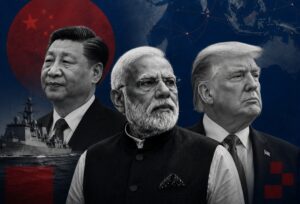
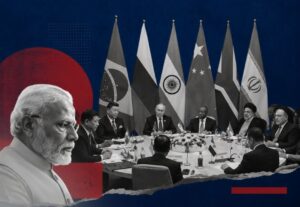


There is a phrase that rolls off the tongue of every Indian diplomat with practised ease: strategic autonomy. For decades, it has been the cornerstone of India’s foreign policy identity, the idea that New Delhi bows to no bloc, answers to no capital, and charts its own course based purely on national interest. It is a fine idea. The trouble is, recent events suggest it may be nothing more than that: an idea.
The Landau Statement Nobody Wants to Discuss
At a policy forum hosted by India’s own Ministry of External Affairs, U.S. Deputy Secretary of State Christopher Landau delivered remarks that should have triggered a national conversation. He stated plainly that Washington would not extend to India the same economic advantages it once gave China, would not allow India to become a competitor, and that any trade deal would keep American interests first.
Read that again slowly.
A senior American official, speaking on Indian soil, at an Indian government forum, effectively told New Delhi: you are a partner, not an equal. The Indian government’s response? Studied silence. No pushback. No clarification. No statement from South Block defending the country’s economic dignity.
Energy Security: On Washington’s 30-Day Leash
Since 2023, India has sourced between 35 and 40 percent of its crude oil from Russia, a practical response to global price volatility and a decision driven by the energy needs of 1.4 billion people. India imports over 85 percent of its crude oil requirements, making energy security not a luxury but a lifeline.
Then came U.S. Treasury Secretary Scott Bessent’s statement: Washington is “allowing” India to continue purchasing Russian oil, for now, for 30 days at a time.
Allowing. India. To buy oil.
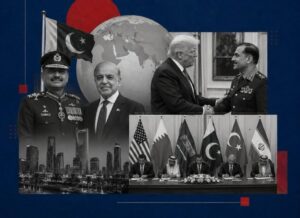
This single word should have provoked outrage across the political spectrum. Instead, the government accepted this framing without public protest. The ceasefire between India and Pakistan was announced from Washington. India’s oil decisions are being telegraphed from Washington. Venezuela, Russia, the sequencing of energy deals: all announced from Washington. One is forced to ask, with no pleasure in asking it: what exactly is the job of the Prime Minister of India? To be present at photo opportunities while someone else runs the foreign policy file?
The Indian Ocean: A Guardian Who Was Not Consulted
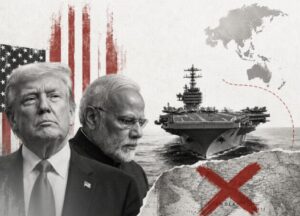
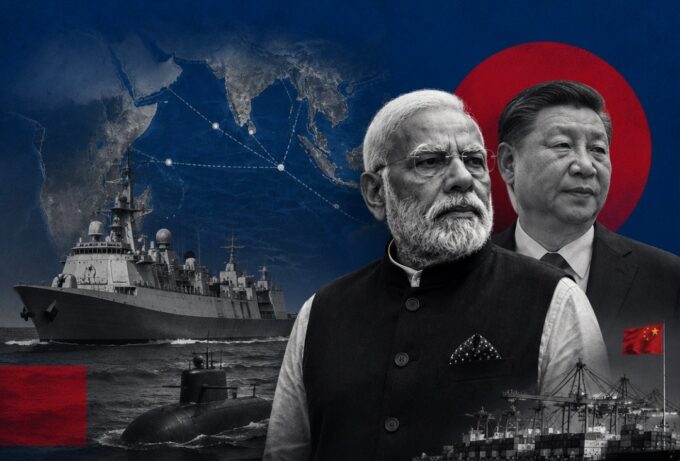
India presents itself, proudly, as the net security provider and guardian of the Indian Ocean region. This claim carries weight in conference rooms and diplomatic communiqués. It carries somewhat less weight when a U.S. submarine sinks an Iranian naval vessel in India’s maritime neighbourhood without any prior consultation with New Delhi.
The U.S. Fifth Fleet has deployed heavily in the Arabian Sea. Major security operations are unfolding in waters that India patrols jointly with Sri Lanka. And India found out, presumably, the way the rest of the world did: through news reports.
If India is the region’s preferred security partner, as the MAHASAGAR vision claims, why was it not in the room when this operation was planned?
The Jaishankar Question
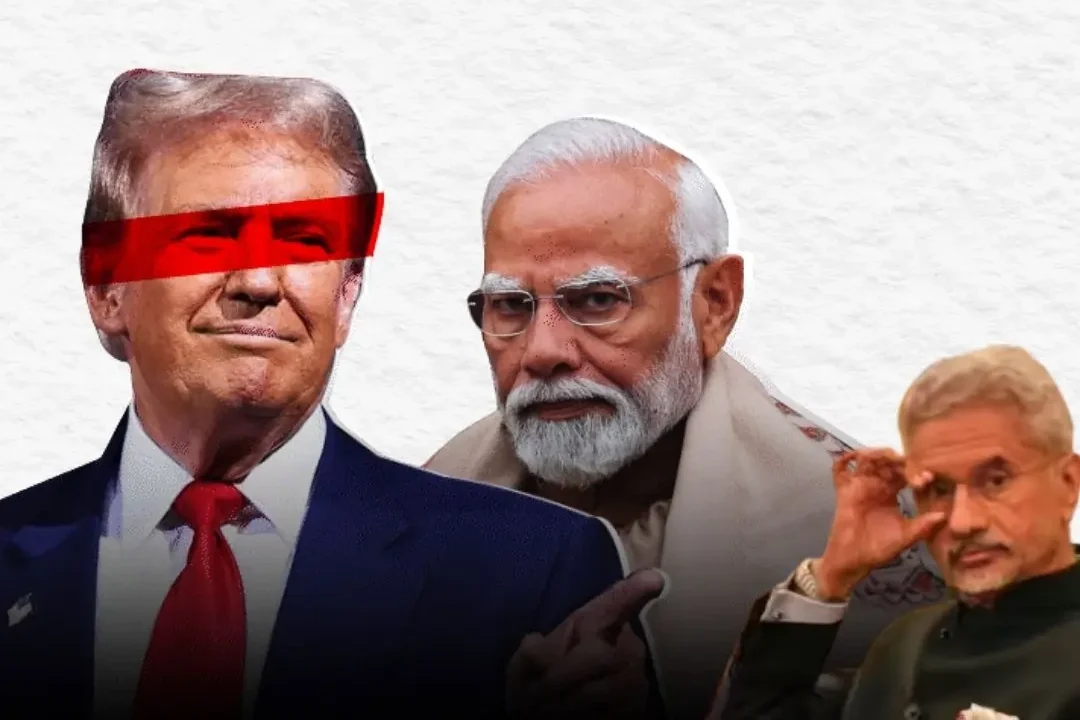
A few weeks ago, External Affairs Minister Dr. S. Jaishankar stated with characteristic confidence: “India is deeply committed to strategic autonomy. Our oil companies make decisions based on availability, cost and risk, and India will remain independent-minded even if our choices don’t align with what others want.”
Can he repeat that statement today?
Because if Washington is granting 30-day permissions for Indian energy purchases, if American officials are publicly capping India’s economic ambitions, and if major security decisions in India’s own backyard are made without Indian participation, then strategic autonomy is not a policy. It is a press release.
India has over 8 million citizens working in the Gulf and West Asia, and conducts more than $160 billion in annual trade with those economies. The stakes in this region are not abstract. They are the remittances that sustain millions of Indian families. Yet India’s diplomatic posture on the Iran crisis has been, by any honest measure, unusually restrained bordering on invisible.
Strategic autonomy is not tested in press briefings. It is tested in crises, in the moments when a country must choose between convenience and conviction. Right now, India is failing that test quietly, consistently, and without public acknowledgement.





Leave a comment