









The recent suspension of the Indus Waters Treaty (IWT) by India has ignited intense debate and escalating diplomatic friction, particularly between Pakistan and India. While the immediate impact on water flows has so far been limited, water experts and former officials warn that the longer‑term consequences for Pakistan’s agriculture and water security could be profound. The unfolding situation has now reached the United Nations Security Council (UNSC), underscoring how critical and fragile transboundary water agreements have become in the context of regional stability.
The Indus Waters Treaty of 1960, under which the World Bank had played an active role in mediating disputes regarding the sharing of these rivers, has, for decades, been considered one of the strongest water sharing agreements in the world. According to this treaty, the six rivers of the Indus Basin have been shared by both the nations, three each. Three rivers have been given to Pakistan while three others to India. However, for over six decades now, both countries have maintained cooperation in sharing data regarding these rivers, even during times of friction between the two.
This is where the latest move by India poses a challenge to the status quo.
Legal and Diplomatic Dimensions
For Pakistan, the suspension is a legal and diplomatic challenge to the IWT and a violation of trust. Syed Jamaat Ali Shah, a former Pakistani Indus Water Commissioner, said that suspension is a loss of value to international agreements. Even if the water flow changes will not happen in the immediate future, they will happen in the long term if the treaty’s provisions of data, sharing, and joint monitoring are set aside and ignored.
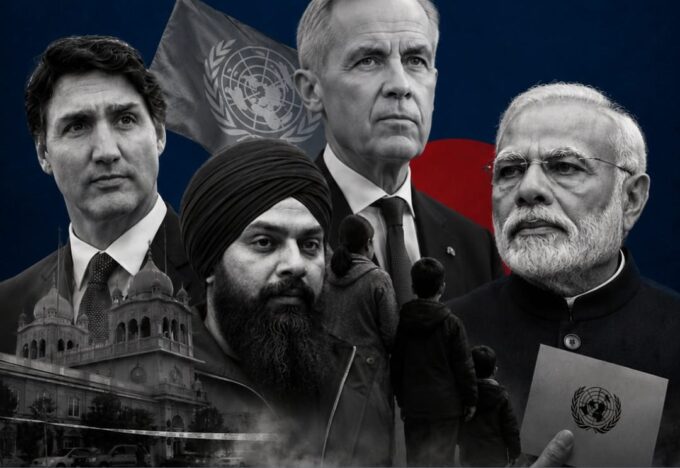
Growing hostilities have forced Pakistan’s hand to take this issue to the United Nations Security Council. Though the UNSC is not a common forum for intercountry water conflicts, Pakistan’s request demonstrates that it views these as hostilities in the legal sense and disruptive to regional security. What will come of this request in terms of the international community’s response is uncertain, but this requests demonstrates Pakistan’s unrelenting determination to seek a legal and diplomatic solution to the problem.
Warnings of Future Scarcity by Water Experts
Many of Pakistan’s water policy specialists now point to the treaty’s suspension and its negative effects rippling through various segments of the economy, especially the agriculture sector, which is Pakistan’s main economic stay. The focus of these concerns is on alarming new trends, described by former Punjab Irrigation Minister Mohsin Leghari, now a senior expert to the UNDP Pakistan National Governance Programme. He argues there is now no coordination concerning the river flow data of the two countries, a procedure which was practically a norm in the treaty. This, according to Leghari, hampers Pakistan’s capability to plan for, and manage, water resources.
The Pakistan Irrigation System is based on a formal water-sharing plan that is precisely time and flow predictability-dependent, which is rotational. As such, any unanticipated advance or delay in the flow, shape, or pattern of water, breaks the sanctity, if not the stability, of the plan. Leghari describes the dual risks of the plan, in that it may result in an unanticipated surplus of water during the time of [most?] drainage, or provide an unanticipated [scarcity] of water escalating the likelihood of serious drainage problems.
These concerns are not unique to Leghari, as water scarcity in Pakistan is predicted to deepen economic and food insecurity, and deteriorate the rural economy for the next decade if not managed effectively.
Resource Management Issues
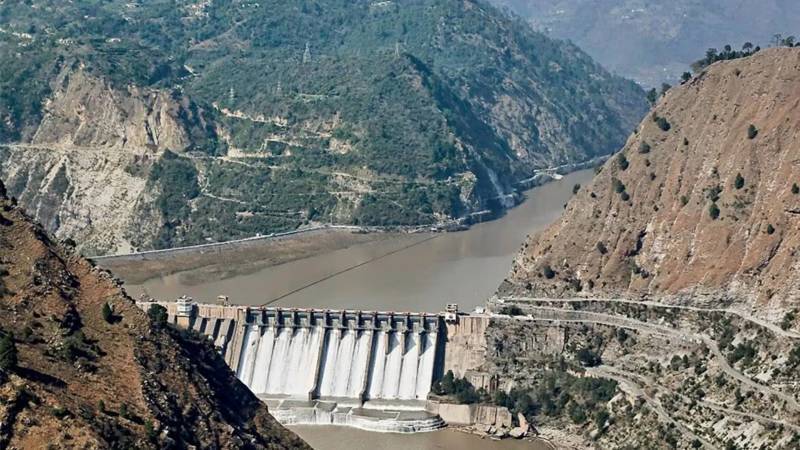
In addition to questions related to timing and coordination, there are concerns about India’s construction of water infrastructure, such as dams and diversions, on the western rivers that were intended for Pakistan according to the Indus Waters Treaty.
India insists that all projects comply with the treaty requirements; however, Pakistan claims that some infrastructure prevents water from flowing naturally. According to former Commissioner Shah, India presently does not have the capability to completely withhold its water, but warns that future construction will prove more dangerous. According to his estimation, consequences of any violations of the treaty will become apparent within five to ten years.
This reflects a typical dilemma in international river management: physical effects of actions taken today can take several years before their full impact is evident.
The Argument in Broader Regional Setting
What is apparent from the analyses is that the conflict over the Indus Waters Treaty, which is reflected like many other clashes in South Asia, likely derives from strengthening geopolitical relations between Pakistan and India arising from territorial and trade imbalances.
Diplomatic Relations in South Asia and Islamabad’s Standpoint
When water security issues are discussed in South Asia, Pakistanis view the IWT from a diplomatic perspective and assert the need for a legal and predictable framework for water allocation
Can the Gap in Cooperation Be Shrunk Further?
Analysts are of the view that if the two countries agree to interact, the resumption of cooperation is constructive. In the short term, data sharing, third-party intervention, and endorsement of the dispute resolution mechanism should be sufficient to ease tensions.
From a Pakistan perspective, the resumption of cooperation will stabilize farmers and rural populations’ water security, and provide them with a predictable economic outlook. For India, legalizing the treaty will support India’s image of a responsible and prudent water steward in South Asia, and will help relieve some of the diplomatic colleagues in concerned quarters.
Managing Water Resources, Mercury, and Future Stability
The Indus Water Treaty longstanding as an example of cooperation between two nuclear nations. Its suspension speaks volumes regarding the future of water management in South Asia. If the treaty can be revived or contemporary issues can be introduced, it will be due to political will, diplomatic action and coexistent technical collaboration.
For Pakistan, the concerns are serious, as water security supports and sustains agriculture, rural lives, and the economy. As the dispute unfolds in international fora, especially the UNSC, the world will be watching how two historic enemies address one of the most serious challenges of the 21st century.








Leave a comment