





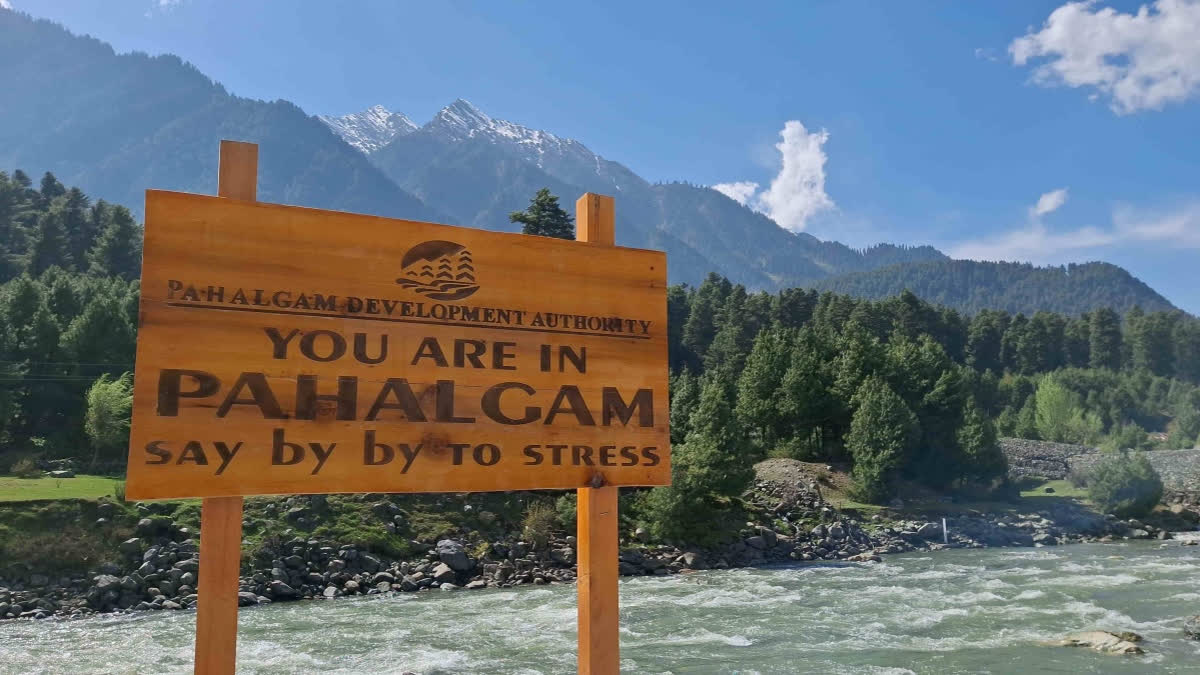
The tranquil valleys of Pahalgam, long celebrated as a jewel of global tourism, became the epicenter of a political and humanitarian controversy following the tragic events of April 22, 2025. What began as a violent attack on tourists has, over the past year, transformed into an intense debate surrounding state power, human rights, and the ethics of counter-terrorism. By April 2026, questions persist about the Indian government’s response and the accountability mechanisms or lack thereof that followed.
April 22, 2025: The Trigger Event
On April 22, militants attacked the Baisaran Valley, killing 26 tourists. The United Nations Security Council (UNSC) condemned the attack as “criminal and unjustifiable.” Yet the final statement did not identify the Resistance Front (TRF) or its connections to broader networks. Many analysts argue that this omission reflects diplomatic maneuvering, particularly since Pakistan held a non-permanent UNSC seat at the time.
Significantly, a portion of Indian commentators, human rights activists, and international observers have publicly questioned whether the attack could have involved state complicity or at least benefited from governmental oversight. They point out that the lack of an independent investigation and the speed of India’s retaliatory operations leave unresolved questions about who orchestrated the events.
Operation Sindoor: India’s Military Response
In May 2025, India launched Operation Sindoor, a series of missile and air strikes across the Line of Control (LoC), aimed at what the government described as terrorist infrastructure.
India’s Perspective
Indian authorities described the strikes as “focused, measured, and non-escalatory,” claiming that over 100 militants were neutralized and 11 airbases destroyed. Government statements emphasized the operation as a legitimate exercise of sovereign rights to combat terrorism.
International Reactions and Skepticism
While the United States, France, and Japan expressed support for India’s right to self-defense, many human rights organizations, independent media, and Indian critics raised concerns. They highlighted the absence of verified evidence connecting all targets to terrorism, the lack of a proper investigation, and potential civilian casualties. Multiple reports indicated that missiles may have hit populated areas, including mosques, resulting in civilian deaths. These developments fueled the debate over whether the government’s response was proportional or politically motivated.
Escalation and Regional Tensions
Pakistan condemned Operation Sindoor as an “act of war,” leading to a brief but intense aerial engagement involving over 114 aircraft. Analysts note that the operation, while framed as counter-terrorism, risked escalating tensions in a nuclear-armed region. The combination of rapid military action and limited transparency has contributed to a perception that civilian oversight was minimal.
Human Rights Concerns in Jammu and Kashmir
India’s domestic security measures in Jammu and Kashmir have also drawn scrutiny.
Collective Punishment
UN experts criticized the demolition of family homes of suspects without court orders, describing the practice as collective punishment. These actions were seen as inconsistent with India’s own Supreme Court rulings in 2024, which declared such demolitions unconstitutional. Many families were left without recourse, and Indian human rights activists argue that these measures resemble punitive strategies rather than lawful enforcement.
Mass Detentions and Legal Overreach
According to the Office of the High Commissioner for Human Rights (OHCHR), nearly 2,800 individuals were detained under the Public Safety Act (PSA) and the Unlawful Activities (Prevention) Act (UAPA). Critics highlight:
- Arrests of journalists and human rights defenders.
- Incommunicado detention with limited legal access.
- Collection of personal data from students and universities.
These measures raise concerns that civil liberties are being compromised in the name of national security, potentially undermining the democratic framework.
Digital Restrictions and Information Blackouts
Suspensions of mobile internet services and the blocking of roughly 8,000 social media accounts have restricted freedom of expression. Digital rights organizations argue that this prevents independent verification of events and enables state-controlled narratives to dominate public discourse. Some international analysts describe these tactics as part of a broader information control strategy, complicating efforts to establish facts on the ground.
The “State Involvement” Debate
Beyond operational and human rights concerns, the Pahalgam crisis has sparked discussions about possible governmental involvement. Certain Indian voices and international commentators argue that elements within the state may have orchestrated or exploited the attack to justify Operation Sindoor and clamp down on dissent in Jammu and Kashmir. Critics note the absence of independent investigation, the rapid escalation to military action, and the restrictions on information as contributing to these suspicions.
This debate remains highly contested but underscores a key concern: without transparent accountability, state power may go unchecked, and public trust can erode both domestically and internationally.
2026 and the Fragile Status Quo
By April 2026, India maintains a strict zero-tolerance policy toward terrorism, emphasizing that Operation Sindoor successfully deterred cross-border incursions. However, international human rights groups, including Amnesty International, caution that heavy-handed measures could fuel social grievances and radicalization. Observers suggest that genuine peace in the region requires adherence to human rights norms, judicial oversight, and transparent reporting.
Accountability and the Path Forward
The Pahalgam Paradox highlights the tension between legitimate security concerns and the protection of civil liberties. While India frames its actions as necessary for national defense, questions remain about the legality and proportionality of its measures. International and domestic voices emphasize the need for:
- Comprehensive and impartial investigations.
- Protection of civil liberties, including the right to legal counsel and free expression.
- Transparent reporting to counter misinformation and prevent escalation.
Without such accountability, Pahalgam risks becoming a precedent for unchecked state power in the 21st century. For lasting stability, security, justice, and international oversight must coexist—not be treated as separate imperatives.







Leave a comment