



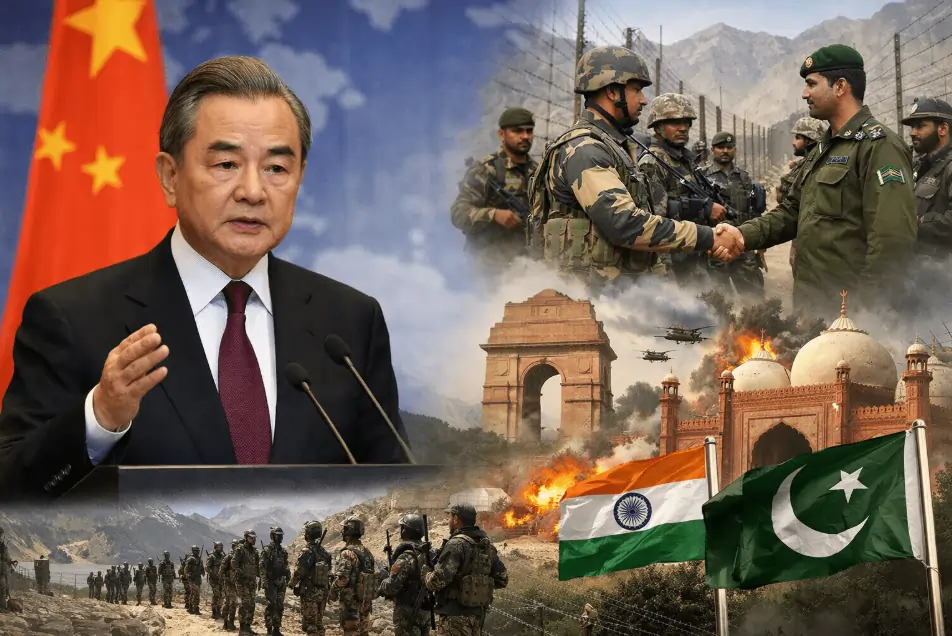
In a high-profile diplomatic address delivered at the turn of the year, Chinese Foreign Minister Wang Yi highlighted Beijing’s purported role in mediating tensions between India and Pakistan. Speaking at the Symposium on the International Situation and China’s Foreign Relations on December 30, 2025, Wang framed China’s involvement as a cornerstone of its 2025 diplomatic achievements. This assertion, while presented as a success for China’s “major-country diplomacy,” has sparked significant debate regarding regional sovereignty, the role of third-party arbitration, and the shifting power dynamics within South Asia.
The Context of the Assertion
Wang Yi’s remarks were not offhand; they were part of a meticulously prepared review of the previous year’s foreign policy successes. By listing India-Pakistan tensions alongside other global “hotspots”—such as Myanmar, Palestine-Israel, and the Iran-Saudi Arabia rapprochement—Beijing has officially codified its role as a regional peacemaker.
The timing is particularly notable, following the aftermath of the May 2025 border conflict and subsequent DGMO-level (Director General of Military Operations) talks. While India has consistently maintained that its issues with Pakistan are strictly bilateral, China’s narrative suggests that the de-escalation of recent events, including the fallout from the “Pahalgam attack” and India’s subsequent “Operation Sindoor,” was facilitated by Beijing’s “objective and just” intervention.
The Dynamics of Parity and Autonomy
A central point of contention arising from the speech is the “hyphenation” of India and Pakistan. Historically, New Delhi has sought to decouple its international standing from its neighbor, asserting its status as a rising global power and the dominant regional entity in South Asia. By bracketing the two nations together as a single “tension” requiring external stabilization, the Chinese narrative effectively treats them as strategic peers.
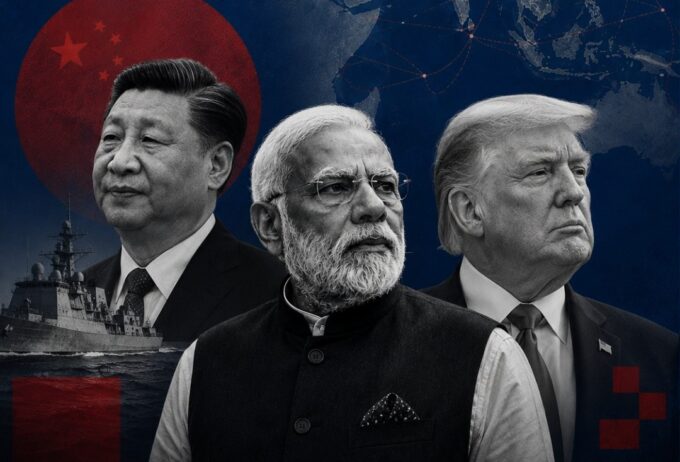
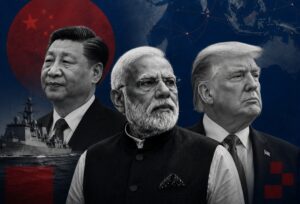
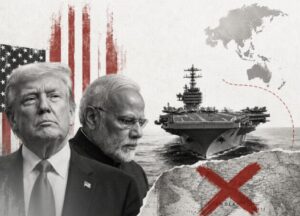
This framing presents a diplomatic challenge for India. The Indian government, under Prime Minister Narendra Modi, has long adhered to a strict policy of “no third-party mediation,” particularly regarding the Kashmir issue and cross-border terrorism. To accept the narrative of Chinese mediation would be to concede a degree of strategic autonomy. Observers have noted parallels between Wang’s claims and similar assertions made by US President Donald Trump, both of which suggest that India’s regional conflicts require an external guarantor to remain manageable.
China’s Vision for South Asian Leadership
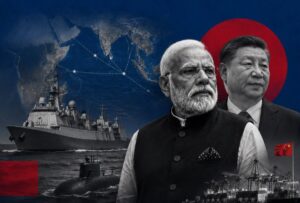
Beyond the immediate India-Pakistan relationship, Wang Yi’s speech signals China’s broader aspirations to be the “indispensable stabilizer” of Asia. By positioning itself as a “pillar of the region,” Beijing is promoting a security architecture that centers on Chinese oversight rather than local bilateralism.
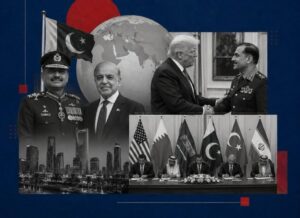
This vision is reinforced by China’s strengthening “ironclad” alliance with Pakistan. In May 2025, Pakistan’s deputy prime minister publicly praised China’s contributions to regional peace, creating a synchronized narrative between Beijing and Islamabad. For China, successful mediation claims serve as a “proof of concept” for Xi Jinping’s “Community with a Shared Future,” demonstrating to the Global South that Beijing can offer an alternative to Western-led diplomacy and security frameworks.
Strategic Signaling and Global Perception
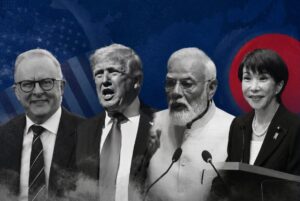
The global implications of this rhetoric are significant. By broadcasting these claims through official Ministry of Foreign Affairs channels and international forums, China is attempting to shape the “common sense” of international relations. If left unchallenged, the perception that China arbitrates South Asian peace could erode India’s deterrence credibility and its standing within groups like the Quad (comprising India, the U.S., Japan, and Australia).
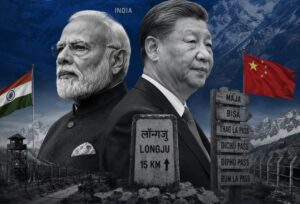
Furthermore, the speech touches upon the sensitive nature of recent border disengagements in Ladakh. Critics suggest that China’s talk of “major-country diplomacy” frames India as being within a Chinese sphere of influence. This puts pressure on New Delhi to clarify the nature of its 2024 and 2025 engagements with China to ensure that tactical disengagements are not mis constructed as a shift toward accepting Chinese regional hegemony.
The claims made by Wang Yi represent more than a simple review of past events; they are a forward-looking statement of intent. By asserting a mediation role, China is testing the waters of regional leadership and challenging the existing bilateral norms that have governed South Asian diplomacy for decades.
For the international community, the situation highlights the increasing complexity of a “multipolar” world where major powers compete not just through economic or military means, but through the control of diplomatic narratives. As India navigates this landscape, the tension between maintaining bilateral sovereignty and acknowledging the reality of a proactive Chinese foreign policy will likely remain a defining feature of the region’s geopolitical evolution.