








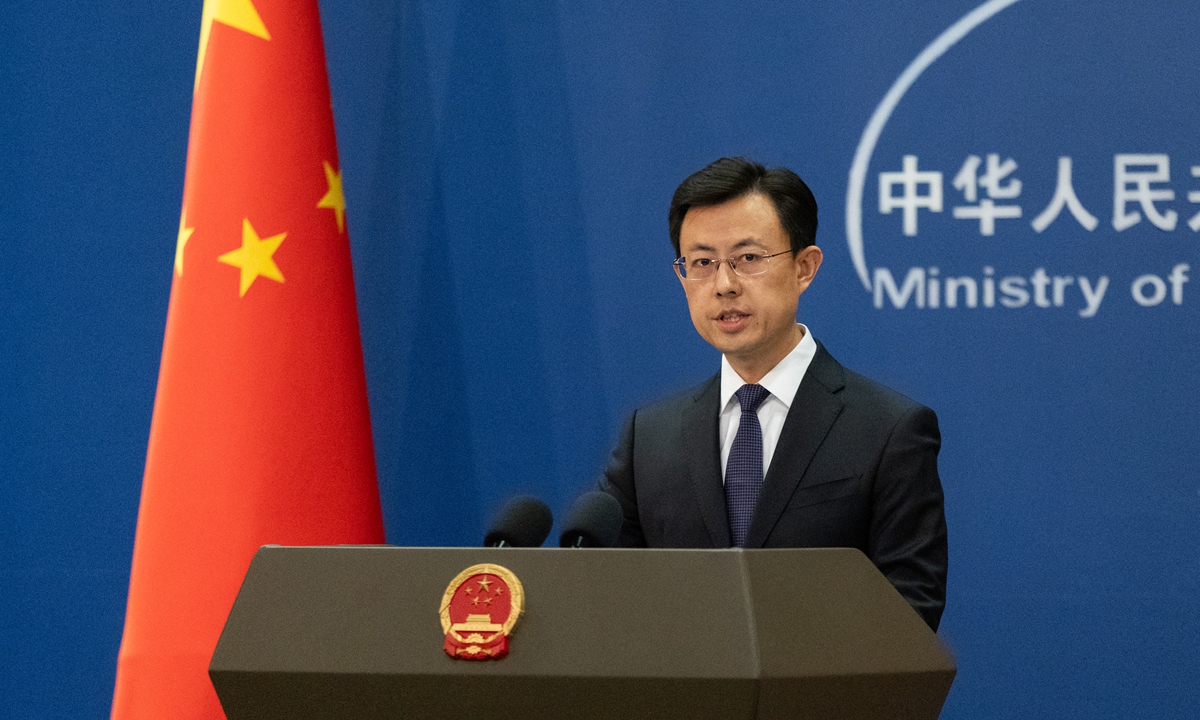
- China and India are preparing to hold the 25th round of Special Representatives (SR) talks on the boundary question, according to China’s Foreign Ministry spokesperson Guo Jiakun.
Speaking at a regular press briefing on Tuesday, the spokesperson said that communication channels between the two neighboring countries remain open and the situation along the border areas is “generally stable.”
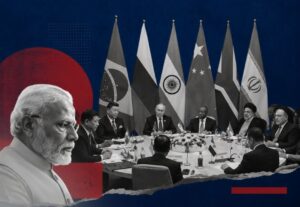
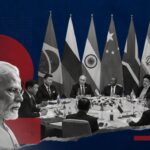
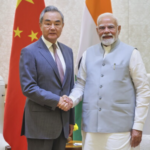
The remarks came after Chinese Foreign Minister Wang Yi’s visit to New Delhi, where he attended the BRICS National Security Advisors’ meeting. During the visit, Wang Yi also met India’s National Security Adviser Ajit Doval, with both sides discussing border-related issues and regional security cooperation.
According to the Chinese Foreign Ministry, both countries are continuing to implement understandings reached in the 24th round of Special Representatives talks on the boundary issue.
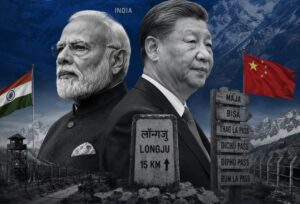
The boundary question between China and India remains one of the most sensitive and long-standing disputes in Asia, involving contested regions along the Line of Actual Control (LAC), particularly in areas such as Ladakh and Arunachal Pradesh.
Despite occasional tensions and past military standoffs, both sides have repeatedly emphasized dialogue and diplomatic channels as the preferred mechanism for managing differences.
Background:
A Long-Standing and Sensitive Dispute
China and India share a disputed border stretching over 3,400 km. The most serious modern tensions include the 2020 Ladakh standoff, which led to troop deployments and long-term military alertness on both sides.
Since then, multiple rounds of military and diplomatic talks have been held to reduce friction and maintain stability.
However, trust deficits and differing territorial claims continue to slow progress on a final boundary settlement.
What Do the New Talks Indicate?
The announcement of the upcoming 25th round of talks signals that both Beijing and New Delhi are still committed to keeping diplomatic engagement active, despite periodic tensions on the ground.
However, progress toward a final border resolution remains complex for several reasons:
- Stability Without Resolution
While both sides describe the border as “generally stable,” this does not mean the dispute is resolved. Instead, it reflects a managed stability where military tensions are controlled but underlying disagreements remain unchanged.
- Strategic Competition Continues
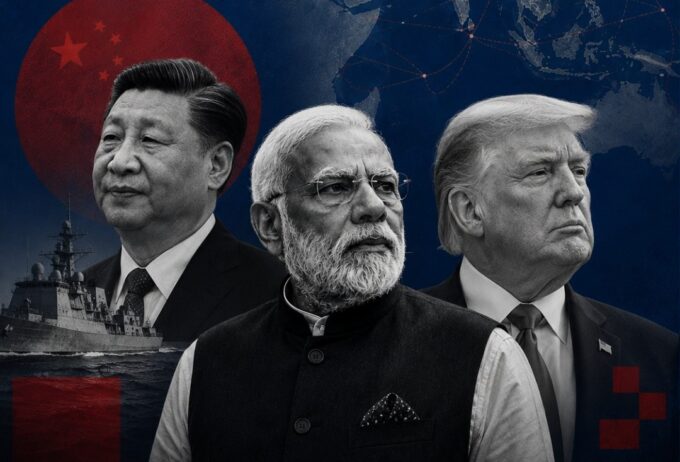
Even as talks continue, India and China remain strategic competitors in Asia, particularly in areas such as infrastructure development, regional alliances, and influence in multilateral platforms like BRICS and the Indo-Pacific.
- Domestic Political Sensitivities
Border negotiations are politically sensitive for both governments. Any perceived concession can trigger domestic criticism, making compromise politically difficult.
- Likely Outcome in Short Term
In the near term, these talks are more likely to focus on:
De-escalation mechanisms
Border patrol coordination
Confidence-building measures
rather than a final boundary settlement.







Leave a comment