















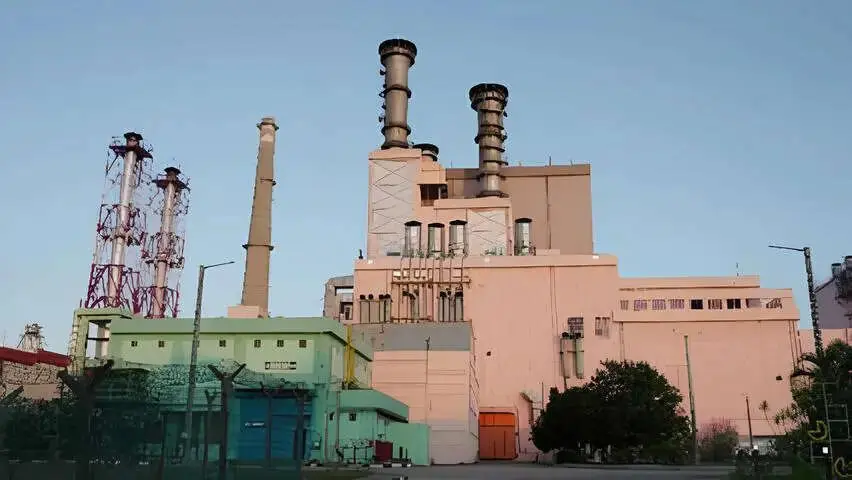
India has taken a significant step toward energy independence after successfully initiating a controlled nuclear reaction in a domestically developed reactor. The milestone marks progress in the country’s long-term plan to produce its own nuclear fuel and expand clean energy capacity.
Prime Minister Modi made an announcement regarding the Prototype Fast Breeder Reactor (PFBR) in Kalpakkam that has reached a critical stage of self-sustained nuclear reaction known as “criticality.”
The PFBR represents one of the vital components of India’s three-stage program in nuclear energy and is intended to produce a higher amount of fuel compared to the fuel consumed. Such an innovation should contribute to utilizing India’s vast thorium resources in an economically efficient manner.
Despite the fact that the PFBR currently does not provide power for the national grid, it is expected to reach a full power mode in future phases. The PFBR project fits into India’s plans to expand its nuclear power generation capacities from eight gigawatts to 100 gigawatts by 2047.
Given India’s status as one of the largest energy consumers and sources of greenhouse gas emissions, the country tries to decrease its dependence on coal while planning to become a carbon-neutral state by 2070.











Leave a comment