





India has introduced a new set of digital rules that critics argue significantly tighten control over freedom of speech online, raising concerns about growing digital authoritarianism. The amendments, announced by the Ministry of Electronics and Information Technology on 30 March, 2026, expand censorship powers previously held by the IT ministry to multiple government ministries, including defense, home affairs, foreign affairs, and information and broadcasting.
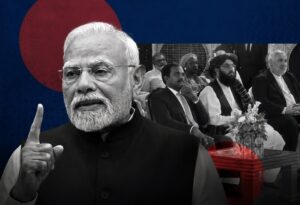
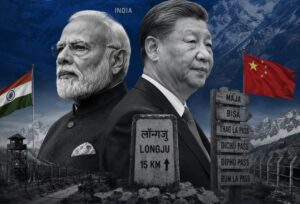
By doing so, the move effectively de-centralizes takedown power to enable faster and more efficient deletion by the government, without notification to content creators. Social media sites are now forced to delete flagged content within a two to three hour window, compared to the earlier 36 hours. Little space is left for the platforms to review the legal implications of content, raising concerns about arbitrary censorship of legitimate journalism, satire, and political opinion. Journalists, activists, news organizations, cartoonists, and comedians have already been penalized for postings criticizing the PM and the government’s policies through satire and videos mocking Mr. Modi’s foreign policy decisions and internal issues, such as energy crisis.
India has a record of employing digital means to curtail dissent. During tensions with Pakistan, the country had blocked thousands of social media profiles, including news agencies of global stature like Reuters. According to transparency reports, hundreds of thousands of websites had been banned in India by the end of 2024. News portals in regions such as Kashmir and Bangladesh had suffered blocks multiple times while also being asked to conform to government viewpoints. They have been accused of creating an “infrastructure of censorship,” where creators face the same kind of pressure as journalists. According to Prateek Waghre from Tech Policy Press, this means that the new rules make it easier for the authorities to punish analyses, news, and commentary. Nikhil Pahwa from MediaNama has noted that there is no transparency when it comes to the decision-making on whose content has been reported and by whom, making the difference between unlawful content and fair criticism ambiguous.
The critics see the proposed amendments as another attempt to take control of online space. They argue that the government sees it as an infrastructure asset rather than a platform for exercising people’s rights. While officials assure the public that they only need clarifications to the existing procedure, the rights activists worry that it will be used to suppress online criticism against the government and its politicians.







Leave a comment