


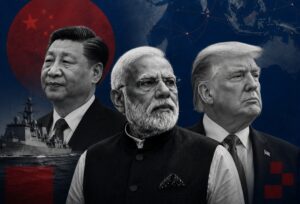

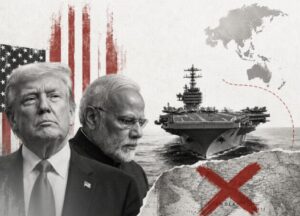

On 2 February, 2026, India’s main opposition party, the Indian National Congress (INC), criticized Prime Minister Narendra Modi for the announcement of a new trade agreement between India and the United States. The agreement, signed by Modi and US President Donald Trump, has sparked a political firestorm in India, raising questions about its impact on India’s sovereignty, economy, and agriculture. The article examines the details of the agreement, the opposition’s responses, and the agreement’s consequences.
The Announcement of The Deal
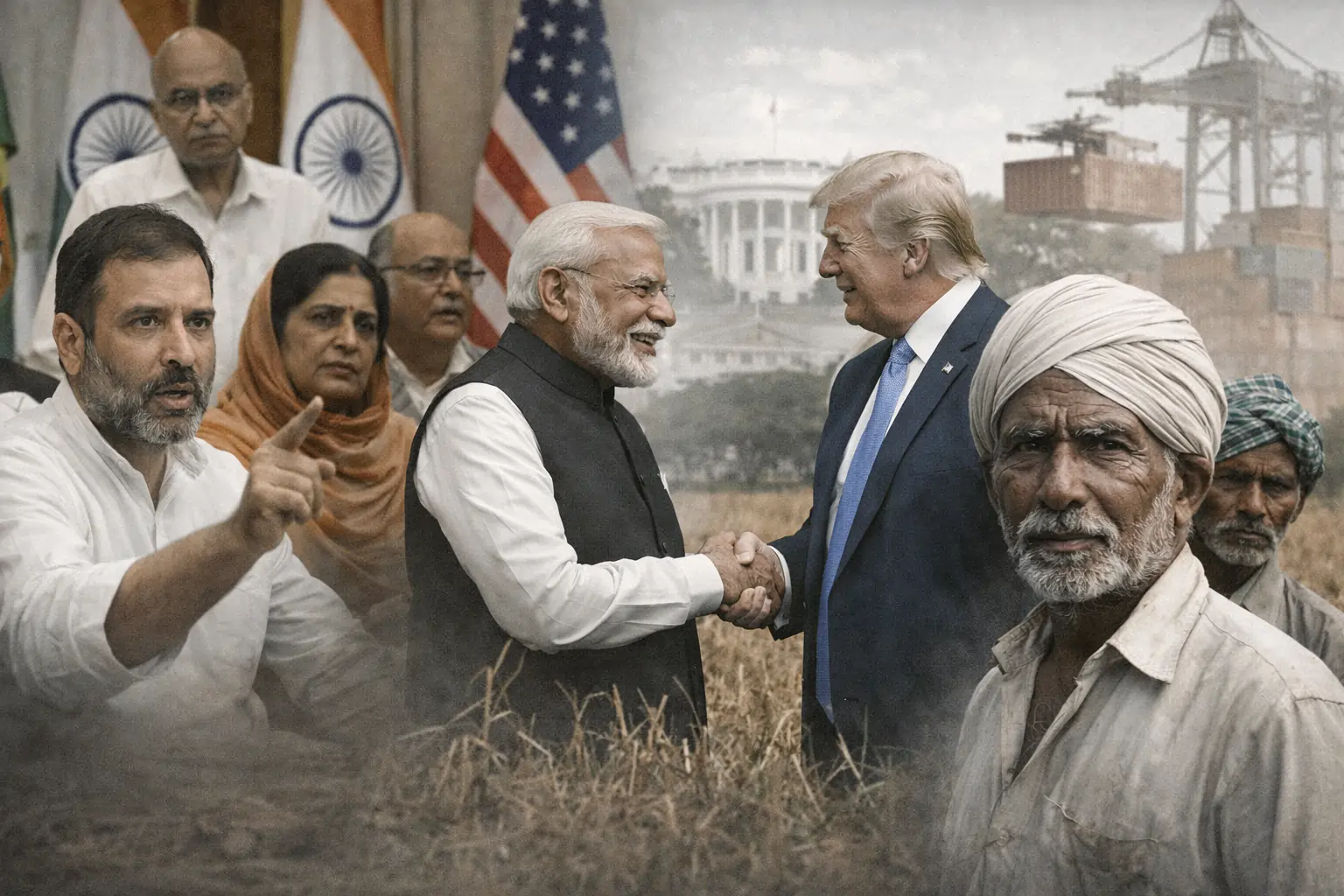
The first-ever trade agreement between India and the US was announced by US President Donald Trump on February 2, 2026, after Trump and Modi met for talks. As per the announcement, New Delhi promised to remove all tariff and non-tariff barriers to US goods, which leads to the opening of Indian markets for US products. Furthermore, India promised to stop purchasing oil from Russia and may choose to buy oil from Venezuela. Trump expressed optimism on the agreement, stating that it will create jobs in both countries. Opposition to The Deal
The Indian National Congress (INC) was the first to respond to the trade agreement, that Modi did not defend Indian entitlements. The stance of the Congress Party was that the Modi Government has been vague with regards to the specifics of the agreement. A post from Congress Party stated that India has `opened its markets to America`, which is going to be detrimental to Indian industries, farming, and trade.
The INC also expressed unease with respect to India’s increased purchases from the US. They questioned `What about Make in India? and pointed to the fact that the Government made an emphasis on the need to enhance local production and manufacturing. Analyst argue that this deal might hurt the initiatives by creating more imports from the US instead of encouraging local production.
Perhaps the concern of the opposing party is the impact on the Indian farmer. Opening the trade deal means American agriculture has access to the sector. Congress member Supriya Shrinate expressed her concerns about US Ag Secretary Brooke Rollins’ remarks on exporting US farm products to India. The Indian opposition is concerned about the pricing of agricultural commodities in India and the impoverished Indian farmer who works at rock bottom prices without support.
Additionally, the Congress party wanted to know if Modi has stopped buying Russian oil in order to comply with Trump’s requests. Changing oil suppliers may mean India becomes more dependent on Venezuela, a country with a troubled political and economic history.
A particularly unflattering comment from the Congress party’s Kerala chapter called the arrangement a sign of India becoming an “American colony.” Modi, in the chapter’s view, is more or less handing over India’s independence to the United States for economic support.
Modi’s Reaction
Contrasting with the Indo-US trade agreement’s critics, India’s External Affairs Minister, Dr. S. Jaishankar, is positive about the deal, arguing that the agreement would create more jobs, stimulate the economy, and boost innovation. Jaishankar believes that the agreement would enhance India’s “Make in India” policy.
Modi thanked Trump on Twitter, Big thanks to President Trump on behalf of the 1.4 billion people of India for this wonderful announcement. Modi looks forward to working closely with Trump to take the India-US relationship to unprecedented heights.
Supporters of Modi view the Indo-US trade agreement as a diplomatic win, although the opposition views the agreement in a completely different light. Some say the deal shows India gives in to the US even when it hurts the country’s sovereignty. There is also the concern that history may be repeating itself due to US policies of tariffs and sanctions affecting India.
The Broader Implications
The trade deal offers a number of first-order problems that must be solved. First, there are the trade economic consequences for India. Some industries, including tech, may profit when tariffs on US imports are reduced. However, US trade agreements also have the potential to damage India by introducing more competition for US produced goods. This means there can be industry HSAs, i.e. Humanitarian, Summer activity, industry closure, layoffs, and ultimately the closing of small businesses that can’t compete with US pricing.
Another troubling aspect is India’s agriculture sector. Opening trade with the US will lead to cheap US agricultural products flooding the Indian market. This will lead to a loss of revenue for Indian farmers. Indian farmers do not need any further challenges. Climate change, poor roads, and a lack of government services make it very hard for them to make a competitive living. More American products will make it less and less possible to survive. This trade deal is a sure way of increasing rural unrest since it is very much against the Indian farmer.
Also, there are new geopolitical issues raised from today’s deal concerning the Russian oil embargo. Historically, India’s relations with Russia are very important to India, and India’s relations with Russia are especially important to India’s energy needs. While it may make sense to India to choose Venezuelan Oil, the economics and politics of Venezuela make it a dangerous choice from an energy security standpoint. India’s close relationship with Russia has drawn American criticism for decades and Modi’s government appears very pliant to US demands. This lack of respect for Indian sovereignty will poor diplomatic consequences for India in the future.
The time frame of this trade agreement, following the unsuccessful trade discussions of 2025, along with the recent tariffs implemented by the United States on Indian goods, certainly brings Modi’s diplomatic finesse into the question. The Congress party equating Modi’s diplomatic maneuvering to his “surrender” in the 2025 Pakistan-India conflict, clearly showcases Modi’s diplomatic maneuvering from a position of strength as a compromise to dominant geopolitical players at the cost of India’s stake. To critics, this is another instance of Modi’s willingness to compromise India’s sovereignty to gain the favor of significant global players.
The complexity of the US-India trade deal is a source of controversy that can fully capture the ramifications of the deal on India’s economy, agriculture, and foreign policy. While the Modi government is selling the deal as a major win for India, the opposition is justified in raising concerns about Indian farmers, industry, and the country’s loss of sovereignty. This controversy will need to be addressed, and the government will need to be transparent with the Indian people, especially given the unfolding details of the negotiations. The trade deal will continue to shape Indian politics, and both sides will leverage it for their own purpose leading up to the elections.







Leave a comment