


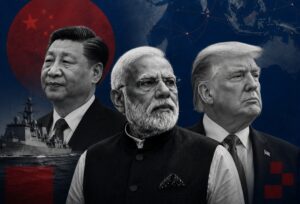


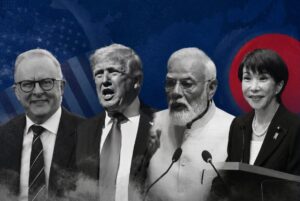
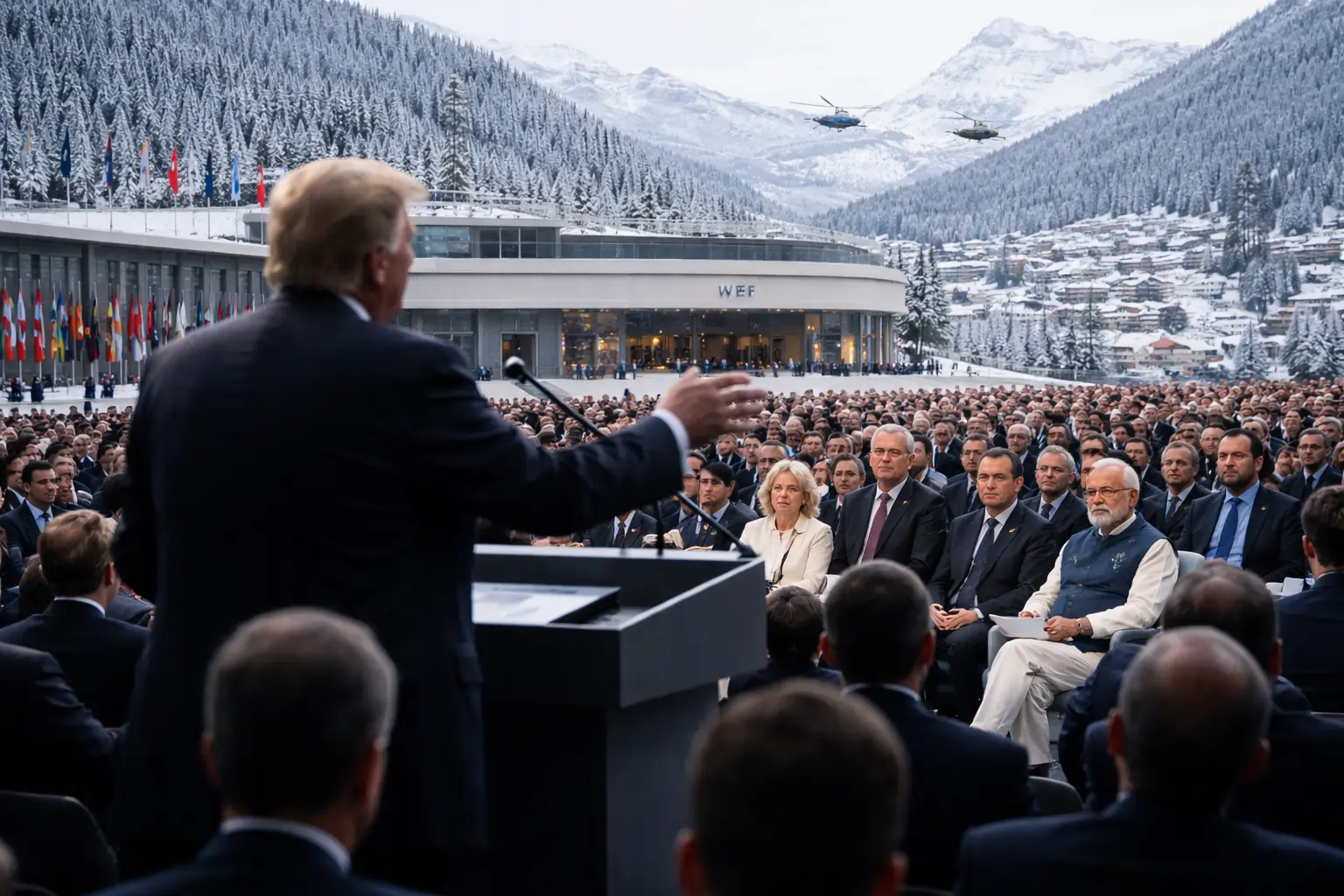
The 2026 World Economic Forum (WEF) in Davos was defined by a stark ideological collision between the “Globalist” status quo and a resurgent “America First” agenda. With President Donald Trump returning to the Swiss Alps during his second term, the atmosphere was a mix of intense volatility and pragmatic recalibration. The 56th annual meeting themed “A Spirit of Dialogue” ironically became the stage for one of the most undiplomatic shifts in modern history. As the snow settled over the Congress Center, it became clear that the “Davos Consensus” had not just been challenged; it had been dismantled.
The following is an analysis of the WEF 2026 Global Risks Report and the impact of the Trump administration’s presence at the forum.
The Global Risks Report 2026: A World in “Permanent Change” The WEF’s 21st edition of the Global Risks Report painted a grim picture of a “multipolarity without multilateralism.” The report shifted its focus from climate-centric risks toward immediate geoeconomic confrontation.
Geoeconomic Warfare: For the first time, “economic weapons” were cited as the primary driver of global instability. The report noted that 50% of surveyed leaders expect a “turbulent” or “stormy” two-year outlook, with 18% selecting geoeconomic confrontation as the top risk likely to trigger a material global crisis.
The Al Divergence: While Al was hailed for boosting US growth-with a staggering 5.4% GDP contribution projected for 2026-the WEF warned of a “widening trust gap.” Misinformation and the concentration of Al power are creating new digital divides, where technological gains are sequestered by a few “sovereign tech” giants.
Reprioritizing climate: Interestingly, environmental risks lost priority over the two-year horizon. As leaders rushed to address immediate concerns over inflation, debt and security, “extreme climate” fell from its usual top spot, reflecting a world in “survival mode” rather than “sustainability mode.”
The Trump Doctrine in Davos: “Greenland and the Golden Domes”. President Trump’s 75-minute speech on Wednesday, Jan. 21, was the centerpiece of the 2026 forum. His rhetoric signaled a move away from traditional diplomacy, focusing on “appropriation” instead of the “alliances”.
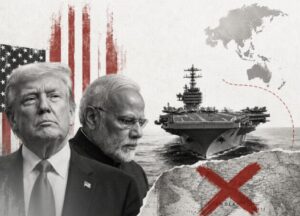
The Greenland Proposal: Trump dominated headlines by calling for “immediate negotiations” to acquire Greenland from Denmark. While he did rule out the use of military force, declaring, “I don’t want to use force. I will not use force,” he framed the takeover as a “fundamental national security interest.” He claimed that Greenland is essential to a proposed US missile defense system called the “Golden Dome”.
The European Counter-Response: “EU Inc.”
In a direct rebuke to Trump’s nationalist rhetoric, EU Commission President Ursula von der Leyen used her address to push for “European Independence.”
The 28th Regime: Europe announced the “EU Inc.” initiative, a plan to create a single company structure across all member states. This aims to allow European firms to scale as easily as US or Chinese companies, bypass local bureaucracy, and build a “European wall” against US economic coercion.
Defense Surge: Von der Leyen highlighted a surge in European defense spending aiming for €800 billion to reduce “structural dependencies” on the US, specifically citing the Arctic and Ukraine as areas where Europe must lead without Washington’s permission.
South Asian Focus: The Ultimate Closer and the Nobel Claim
One of the most controversial segments of Trump’s 2026 Davos appearance was his framing of South Asian geopolitics. He positioned himself as the sole arbiter of peace between two nuclear-armed neighbors.
The India-Pakistan “Settlement”: Trump repeated his claim that he personally ended the 2025 conflict between India and Pakistan. He stated, “They were going at it, and I ended the war in one day. I told them: you stop, or you don’t sell a single thing to the United States.”
The Coercion Narrative: He revealed that he forced both nations to a ceasefire by threatening a 350% tariff on all exports. He claimed that Prime Minister Modi and Prime Minister Sharif called him personally to agree to his terms, effectively treating the regional security of 1.6 billion people as a trade deal to be “closed.”
Nobel Prize Mockery: Trump lamented that the “Norway committee” gives the Nobel Peace Prize to “people who do nothing,” while he “saves 10 million lives” in South Asia through sheer economic strength.
The Anti-India Undercurrent and Global Instability
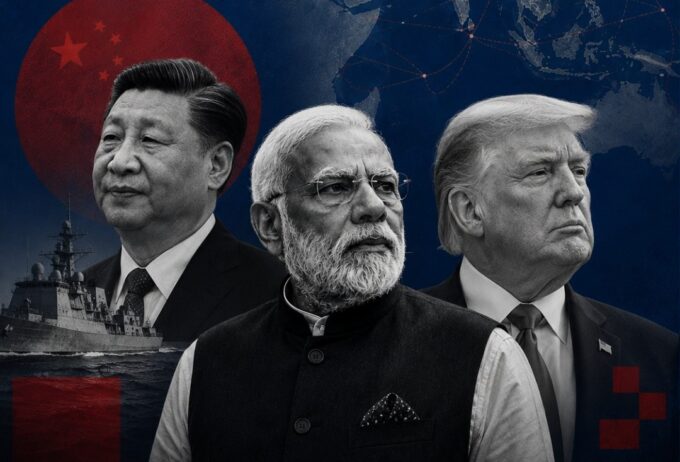
Although Trump may be rhetorically celebratory, a more careful examination of his 2026 speech in Davos betrays a clear policy anti-India bias cloaked in personal flattery of Indian leadership. This change symbolizes a core failure on the era of strategic partnership.
The Weakening of Strategic Sovereignty
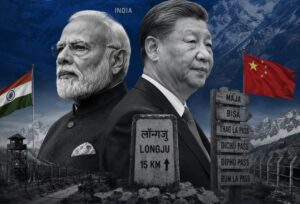
By suggesting that he ordered a ceasefire with economic threats, Trump basically reduces India to a subordinate state instead of a rising power in the world. This anti-India framing indicates that the US does not show respect to the long-standing No Third Party red line of India on regional security. This produces enormous “Strategic Instability” in the 2026 Global Risks environment because it invites Pakistan to ask U.S. to intervene so it can avoid bilateral talks with India.
Coercive Trade Weaponization
The 350 percent tariff threat is essentially an anti-India economic stance. India, which is expected to be a major driver of global growth in 2026, has been warned by Trump in Davos comments that the U.S. sees this growth not as a partnership to be fostered but as a threat to be taxed. His insistence that India must be a member of the so-called Golden Dome (the US missile defense system) in order to be favored in trade terms places New Delhi in a no-fly zone when it comes to its own indigenous defense infrastructures and even its history with other world powers.
The Board of Peace vs. The Influence of India
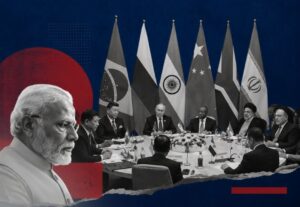
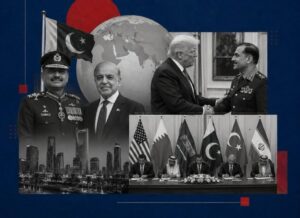
Trump is playing a specific kind of regional balancing game by including Pakistan in his inner diplomatic “Board of Peace” and excluding the voice of India in the main arena discussions. This change is to the benefit of transactional allies who will be happy to sign on his particular scripts, as opposed to principled partners such as India who have independent foreign policies and have declined to become members of the “Golden Dome” initiative.
The 2026 World Economic Forum marks the final closure of the so-called Davos Consensus the notion that global commerce brings about peace. The summit demonstrated a world that was dividing into separate economic and philosophical blocs.
To India, the 2026 WEF was a revelation. The discussion indicates that the present U.S. government is also more antagonistic to Indian interests than it has been within the past 20 years. The transition between Strategic Partner and Trade Adversary is all but over. The age of international collaboration has been overtaken by the age of Armed Resilience in which the economic and strategic sovereignty of India is no longer perceived by Washington as a source of stability but as the pillar to be broken down.
It is no longer a question of how to collaborate but of how to survive in a world where the Golden Dome of one nation is the ceiling of others, as the world gazes at the remainder of 2026.




Leave a comment