


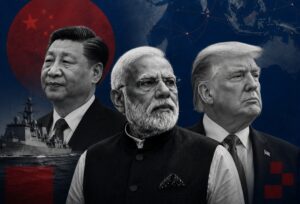


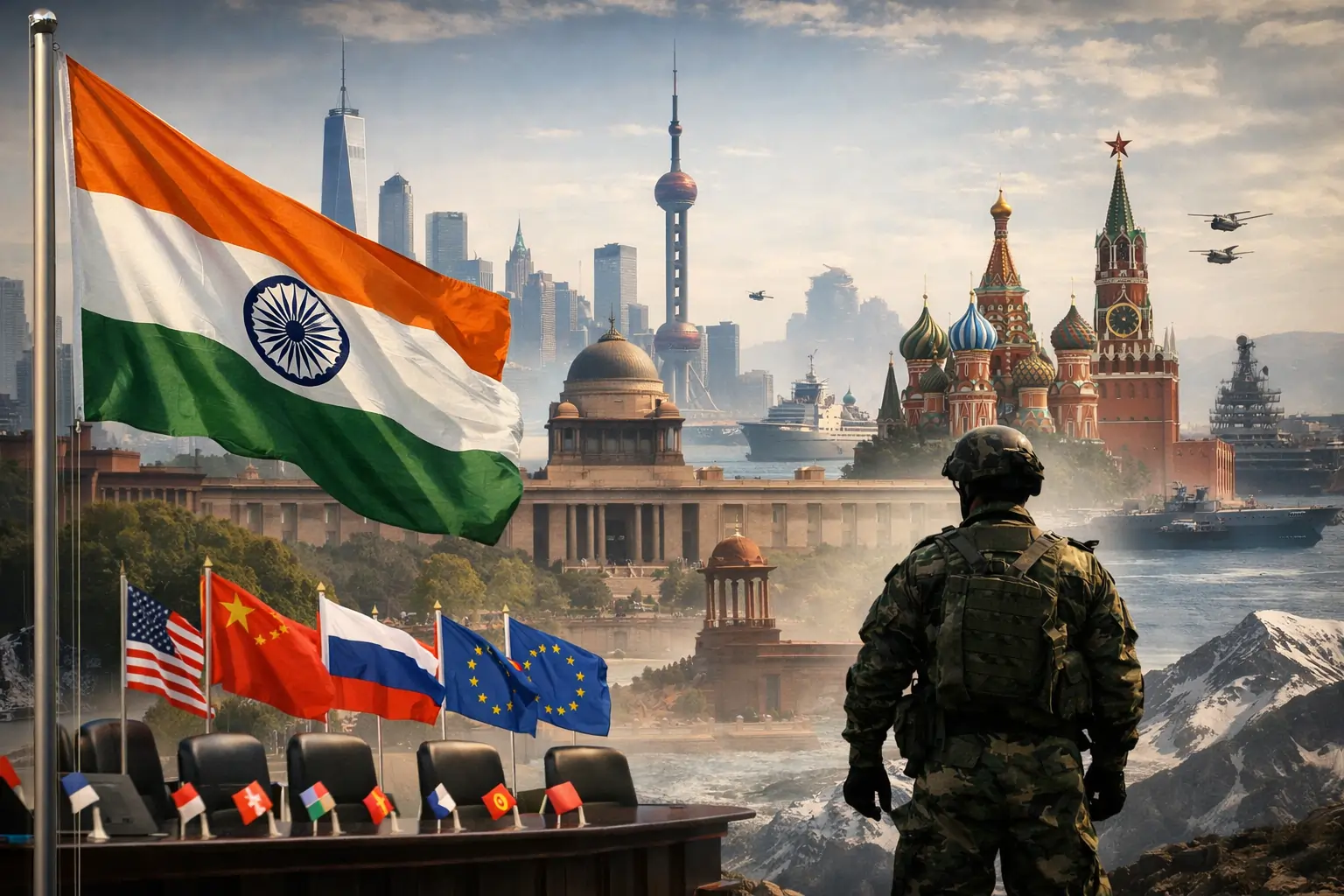
The fall of hegemony and the rise of a multipolar World order is a major shift through which today’s global system is undergoing through. Contrast from the Cold-War’s bipolar structure or the brief post-Cold War hegemony of US, today’s global system is increasingly becoming multipolar with the influence shared among China, U.S, Russia, and the European Union, and the emerging middle powers like India. This transitioning multipolarity has redefined the global governance, security architectures, and economic interdependence.
India holds a unique and influential position in this evolving global landscape. It has become a key player in shaping the emerging global order through positioning of demographic dynamism, rising diplomatic leverage, increasing economic potential, and strategic position in the Indo-Pacific. At the same time, India should have to face some challenges rising from regional security tensions, systematic imbalances with international institutions and geopolitical rivalries. The emergence of multipolarity of World, presents India with considerable opportunities and daunting challenges.
Multipolarity and India’s Strategic Worldview
Historically, the foreign policy of India has been guided through the strategy of autonomy. Through the leadership of the Non-Aligned Movement (NAM) during Cold War it was expressed by leadership to safeguard Independence in decision making amid of US-Soviet rivalry. The strategic autonomy as seen in post-Cold War era has developed into more pragmatic from through multi-alignment, thus making India enable to get engaged with competitive power centres without commitment to rigid alliance.
The surge of multipolar World resonates with India’s strategic outlook. A system where the power is divided across several centers offers greater diplomatic flexibility and reduces the risks of any single country’s dominance. India thus remained a strong and regular advocate for inclusive, rules-driven, and pluralistic global order that demonstrates the today’s geopolitical dynamics rather than the mid-20th century power structures.
Navigating the US–China Rivalry
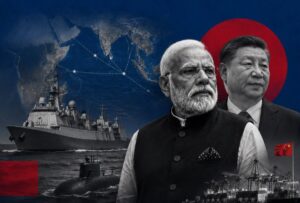
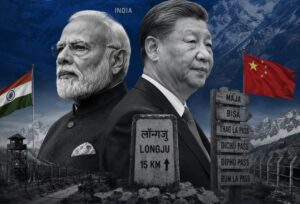
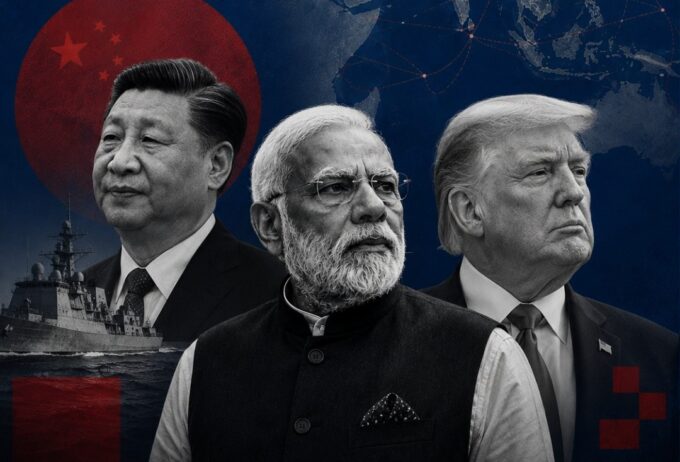
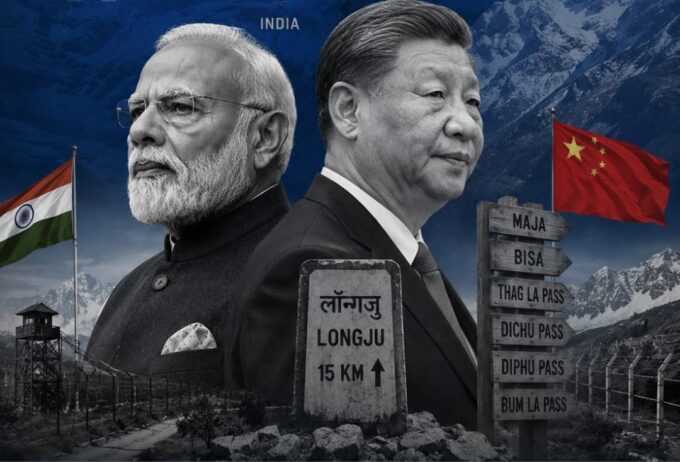
The intensifying strategic rivalry of US and China is main feature of current multipolarity, as it presents a complex blend of opportunities and challenges for India. The security threats are being faced by India along the Line of Actual Control (LAC) and in the Indo-Pacific-poses from China’s proactivity. Simultaneously, China plays a significant role in India’s economy making a direct conflict both risky and counterproductive.
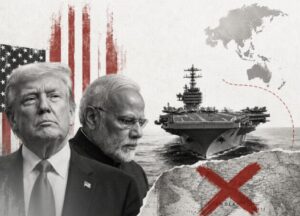
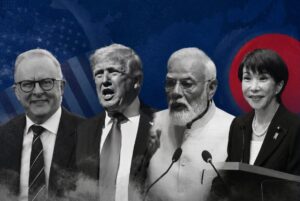
By safeguarding its autonomy and deepening the strategic ties with US, India has pursued a balancing act responsively. In this rapidly growing security environment, India’s preparedness, intelligence sharing and military interoperability are strengthened through defense frameworks like COMCASA, BECA, and LEMOA. India’s commitment to open, free, and inclusive Indo-Pacific is reflected through the strengthening and revitalization of the Quadrilateral Security Dialogue (QUAD) that encompassing India, Australia and Japan.
Nevertheless, India has intentionally avoiding the conversion of QUAD into a formal military alliance. Instead it is focusing on the cooperation in areas like supply chain resilience, climate action, emerging technologies, and maritime security. This demonstrates India’s nuanced strategy by countering China’s proactivity while steering clear of rigid bloc politics.
How India’s internal political economy is shaping its external strategic choices in a turbulent global order:
India’s Political Economy in 2025: Growth Without Comfort, Stability Without Confidence Read More
The Indo-Pacific and Regional Engagement
The central arena of geopolitics of this multipolar globe is Indo-Pacific. Due to its crucial positioning and naval assets, India is becoming a key contributor of stability in the region. Its Indo-Pacific vision highlights the principles of sovereignty, following international law, and freedom of navigation.
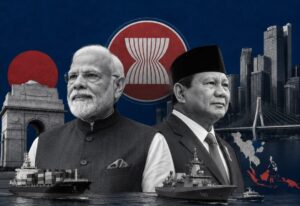
India’s Act East Policy reinforces the vision through profoundness in economic, security, and political engagement with ASEAN countries, Japan and South Korea. The regional programs like SAGAR (Security and Growth for All the Regions) demonstrates India’s objective to act as a net security provider in the Indian Ocean. These initiatives also offer the alternatives to China’s Belt and Road Initiative, particularly for smaller states looking to diversify their partnership.
India’s Role in BRICS+ and the G20
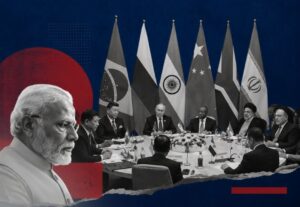
India’s growing influence in the global economic governance is reflected through its participation with multilateral platforms like G20 and BRICS; latter has been transformed into an essential forum for rising economies thus offering alternatives to financial institutions dominated by West. India played a central role in trade promotion in national currencies for reducing the overdependence on US dollar and building up the institutions like New Development Bank.
Simultaneously, the prudent diplomacy and considering the internal divergences with China are necessary steps for India’s participation in BRICS. India has strived to use the forum for buildup South-South collaboration, while guarding against the hegemony of one country.
In its global leadership, a milestone is marked in India’s presidency of the G20 in 2023. India successfully amplified Global South concerns on a major global forum by prioritizing inclusive development, climate resilience, debt relief for developing countries, and digital public infrastructure. Its ideological aim for a participatory global order is symbolized through the theme of Vasudhaiva Kutumbakam (One Earth, One Family, and One Future)
Championing the Global South
In multipolar world, the proactive leadership of the Global South is India’s hallmark. India remained a persistent advocate for equity, fairness, and reform in global governance, despite of its developmental journey and post-colonial experience. It has reflected the major world issues like debt weaknesses, unequal access to climate finance, and need for technology transfer on global forums.
International Solar Alliance (ASI) is the evident initiative of Indian leadership that is the reflection of India’s commitment to climate justice and sustainable progression. Despite of purely extractive engagement, India’s focus on development of infrastructure, inclusive, people-centric growth, and capacity-building is highlighted through similar platforms like India-Africa Forum Summit.
Simultaneously, India has been a strong advocate for transforming key global institutions like THE United Nations Security Council, IMF, and World Bank, urging them to better demonstration of contemporary global power distributions. These efforts are enhancing India’s objectives to represent itself as both a responsible stakeholder on world stage and a credible voice of developing nations.
Challenges in a Multipolar World
Despite of becoming an influential state in global World, India is facing numerous challenges in operating in multipolar World due to unsettled border disputes with China and Pakistan on geopolitical front. Indo-Pacific’s growing military buildup is complicating the stability of the region.
Being a competitor of China for investment and regional influence, India’s diplomatic and economic capacities is being examined. From an economic perspective, India should tackle the supply chain weaknesses, pressures of global economic uncertainty, and trade deficits.
Furthermore, India’s quest for institutional reforms is being challenged by established forces that are guarding their privileges. The skillful and persistent diplomatic engagement is the need of hour to balance the interest of Global South and maintaining the strong relations with the progressing states.
Opportunities for Global Leadership
Simultaneously, the rising multipolarity is presenting India with unique opportunities. India’s appeal for manufacturing and investment destination is enhancing and boosting through diversification of supply chains. The initiatives like development of digital public infrastructure and “Make in India” strengthens the India’s economic profile.
India’s global position could be elevated through technological advancements mainly in renewable energy, digital governance, and space exploration. India’s public image as a cost-effective and innovative space power was solidified through successful missions like Chandrayaan-3. India’s prestige as a democratic, pluralistic, and development enhances its soft power amid rising fragmented global landscape.
Conclusion
In a nutshell, India’s participation in the increasing multipolar order demonstrates a mindful combination of autonomy, realism, and ideological ambition. As the World power is circulating among multiple nations, India is framed as a connecting link between the competing power blocs and Global North and South. As the chances for bringing innovation, influence, and leadership are significant equally, the challenges related to economic rivalry, institutional rigidity, and security issues are consistently present.
India is greatly positioned to play a leading role in developing the multipolar order of twenty-first century through maintaining the strategic autonomy, bolstering multilateral collaboration, and promoting participatory global governance. The way to India’s progression isn’t dependent solely on materialistic abilities but also on turning the ideas into lasting policy and diplomatic initiatives.






Leave a comment