



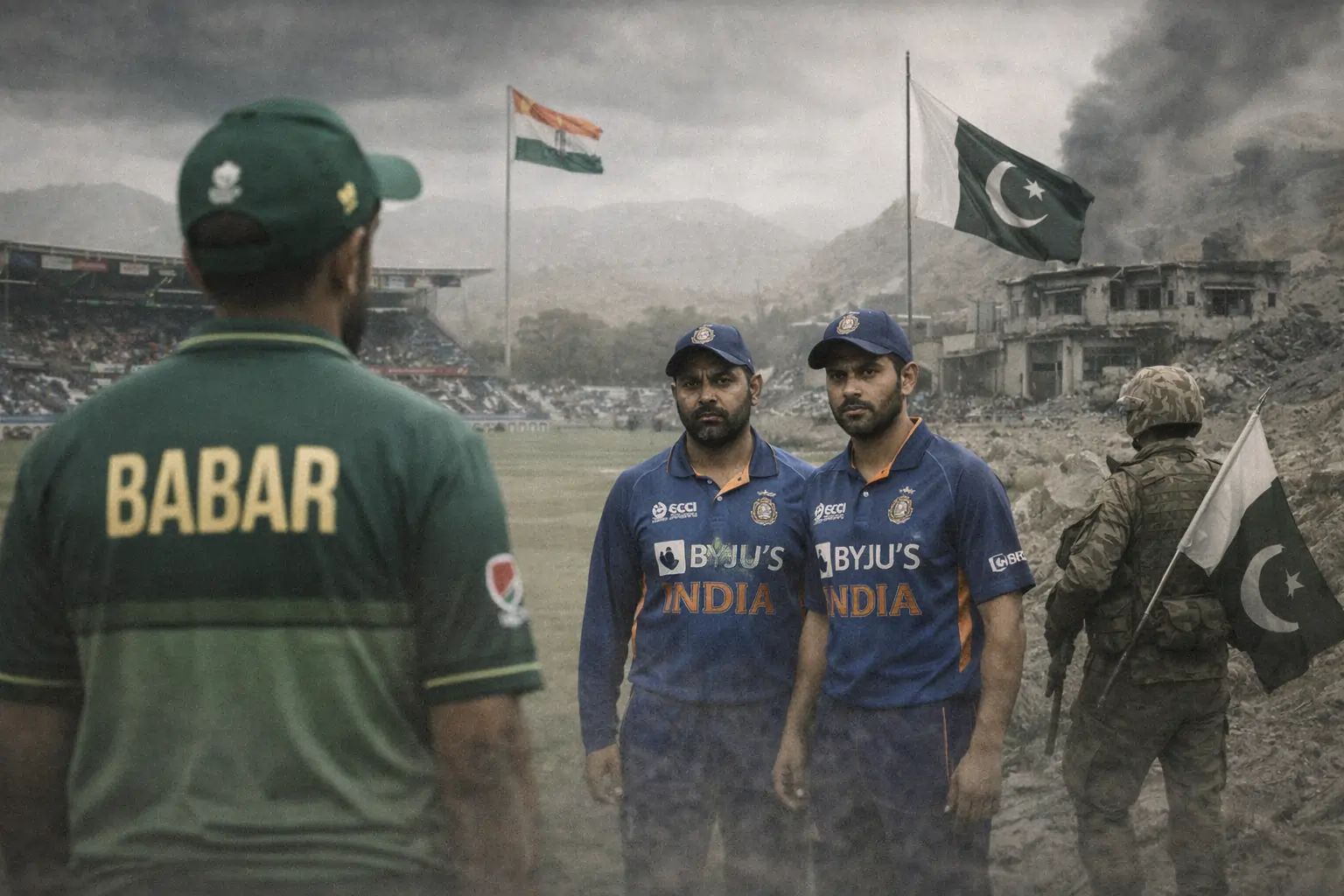
The world of international cricket, particularly in South Asia, has long been a mirror reflecting the complex and often volatile political landscape of the region. However, the events leading up to the 2026 T20 World Cup have pushed this relationship into uncharted territory. In a move that has sent shockwaves through the sporting world, Pakistan has officially announced a boycott of its scheduled match against India, set for 15 February, 2026. While the tournament continues, the absence of its most anticipated fixture highlights a deep-seated diplomatic crisis involving Pakistan, India, and Bangladesh.
The Catalyst: Security Concerns and Allegations in Balochistan
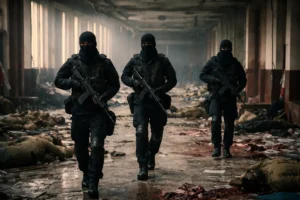
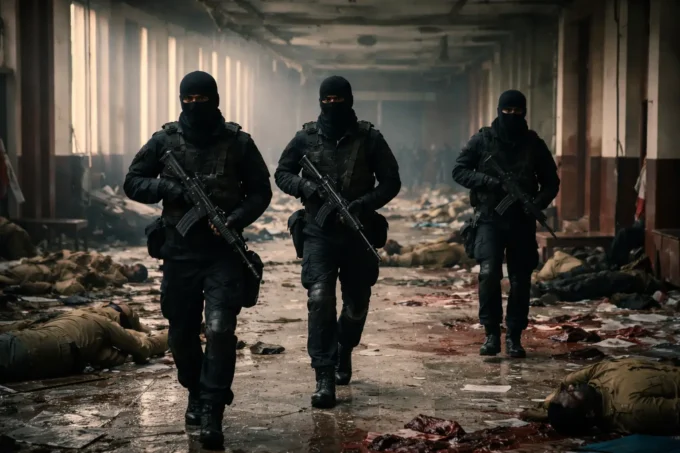
The immediate spark for this dramatic withdrawal stems from a significant escalation of violence within Pakistan’s borders. On 31 January, 2026, coordinated attacks across Balochistan resulted in the deaths of nearly 200 people, including 31 civilians and 17 security personnel. The Balochistan Liberation Army (BLA) claimed responsibility for the carnage, which targeted police stations and military installations across nine districts, including the provincial capital, Quetta.
In the aftermath, Mohsin Naqvi-who holds the dual roles of Pakistan’s Interior Minister and Chairman of the Pakistan Cricket Board (PCB)-publicly pointed the finger at New Delhi. Speaking alongside Balochistan Chief Minister Sarfraz Bugti, Naqvi asserted that the attacks were not merely the work of local insurgents but were planned and supported by India.
These were not normal terrorists, Naqvi stated. “India is behind these attacks. I can tell you for sure that India planned these attacks along with these terrorists.” While India has traditionally denied such allegations, the timing of these statements directly preceded the decision to boycott the World Cup match, providing a national security justification for a sporting snub.
The Bangladesh Precedent: A Double Standard in Cricket Governance
The boycott is not solely a reaction to the Balochistan attacks; it is also a protest against what Pakistan perceives as the International Cricket Council’s (ICC) double standards. This grievance centers on the exclusion of Bangladesh from the 2026 tournament. Originally, Bangladesh was a primary competitor in the World Cup, co-hosted by India and Sri Lanka. However, citing security concerns and the political fallout following the 2024 ousting of Prime Minister Sheikh Hasina (who remains in India), the Bangladesh Cricket Board (BCB) requested that their matches be moved from Indian soil to Sri Lanka. The ICC rejected this request, stating there was no credible or verifiable security threat.
When Dhaka refused to send its team to India, the ICC took the unprecedented step of removing Bangladesh from the tournament and replacing them with Scotland. Mohsin Naqvi has been vocal in his support for Bangladesh, arguing that if India is allowed to play its matches at neutral venues when Pakistan hosts (as per a long-standing “Hybrid Model” agreement), the same courtesy should have been extended to Bangladesh.
By boycotting the India match, Pakistan is signaling that it will no longer accept a hierarchy where India’s security concerns are accommodated while those of other nations are dismissed.
A Timeline of Escalation: From Drones to Player Bans
To understand the 2026 boycott, one must look back at the deteriorating relations throughout 2024 and 2025. The friction between the three nations has been building across several fronts:
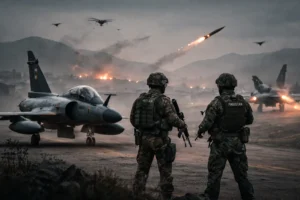
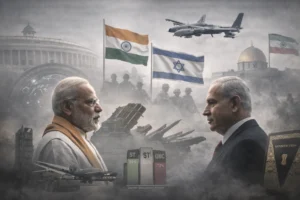
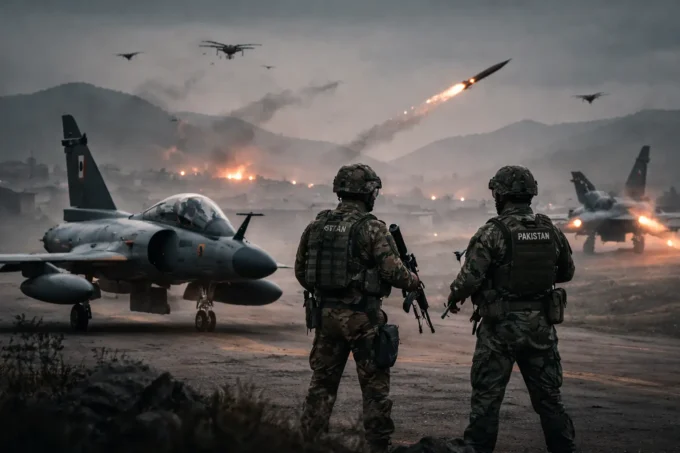
- The Aerial Conflict (May 2025): Following an attack on tourists in Kashmir in April 2025, India and Pakistan engaged in a brief but intense aerial war involving drones and missiles. Although a ceasefire was brokered on 10 May, the military tension never truly dissipated.
- The Fall of Sheikh Hasina (August 2024): The mass protests in Bangladesh and Hasina’s subsequent flight to India created a rift between the new interim government in Dhaka and New Delhi. This fostered a climate of skepticism toward India within Bangladesh, which eventually bled into the sporting arena.
- The IPL Snub (January 2026): In early 2026, the Board of Control for Cricket in India (BCCI) removed Mustafizur Rahman, Bangladesh’s only representative in the Indian Premier League (IPL). The move, cited only as being due to “developments all around,” was seen by many as a political use of cricket to exert pressure.
The Economic and Sporting Fallout
The decision to skip the India-Pakistan clash is not without significant consequences. Historically, this specific matchup is the commercial engine of any ICC event.
- The Broadcaster’s Nightmare: The 2021 T20 World Cup match between these two rivals drew 167 million viewers. For broadcasters like Star India, the 15 February slot was the most valuable advertising window of the year. The cancellation means a loss of tens of millions of dollars in potential revenue, as advertisers are left without the massive eyeballs that only an India-Pakistan game can guarantee.
- The Venue’s Loss: Colombo’s R Premadasa Stadium, which was set to host the neutral-site match, loses out on massive ticket sales and local hospitality revenue. This is a significant blow to Sri Lanka, which has positioned itself as the “neutral ground” of choice for South Asian cricket.
- Pakistan’s World Cup Path: From a sporting perspective, the boycott is a self-inflicted wound. By refusing to play, Pakistan automatically forfeits the match, handing India two points in the group stage without a ball being bowled. In a tournament where every win is vital for advancing to the knockout stages, Pakistan has significantly narrowed its margin for error. They must now win nearly all of their remaining fixtures against other nations to stay in contention.
What Lies Ahead for International Cricket?
The current crisis threatens the very structure of international cricket governance. For over a decade, India and Pakistan have not played bilateral series, meeting only in ICC or ACC (Asian Cricket Council) tournaments. The Hybrid Model where India plays Pakistan in third-party countries like the UAE or Sri Lanka was designed to keep the sport alive despite political hostility.
By boycotting a match even at a neutral venue, Pakistan has broken that fragile compromise. This sets a dangerous precedent:
- Future Reciprocity: India may now feel justified in boycotting future events hosted by Pakistan, such as the Champions Trophy, even if neutral venues are offered.
- ICC Authority: The ICC’s inability to mediate the Bangladesh situation or prevent the Pakistan boycott suggests that the governing body is losing its grip on member nations when geopolitical interests are at stake.
- Regional Blocs: We are seeing the emergence of a “cricket diplomacy” divide, with Pakistan and Bangladesh seemingly aligning against what they perceive as India’s overreach in the ICC.
The 2026 T20 World Cup will be remembered not just for the cricket played on the field, but for the empty stadium in Colombo on 15 February. The boycott is a stark reminder that in South Asia, the “gentleman’s game” is inextricably tied to national sovereignty, border security, and regional power dynamics. As Pakistan faces a tougher road to the finals and India gains an easy two points, the true loser remains the fans who, once again, see the world’s greatest sporting rivalry sidelined by the shadows of conflict.





Leave a comment