





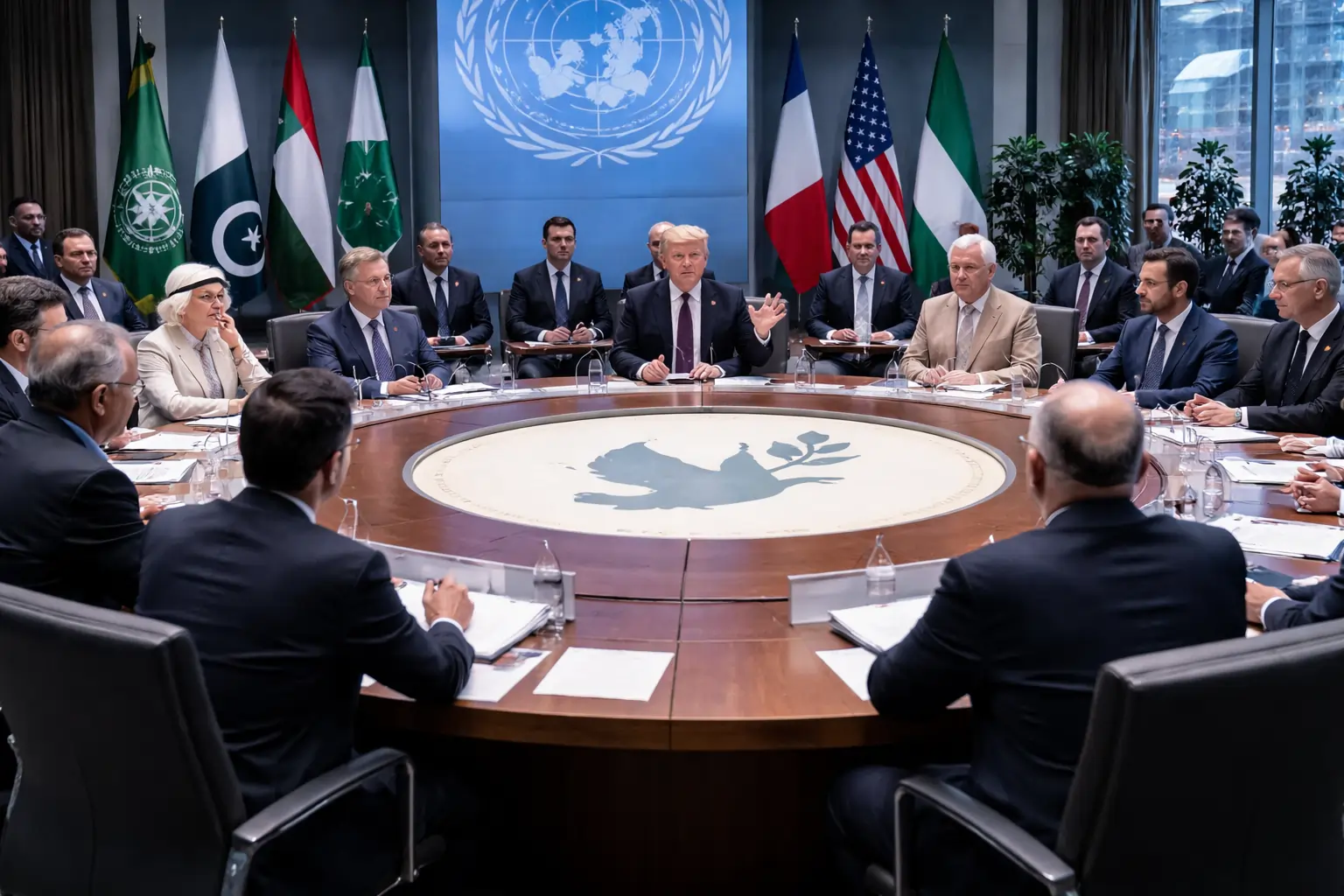
At the 56th annual World Economic Forum in Davos, US President Donald Trump officially launched the Board of Peace (BOP), a new international body designed to resolve global conflicts. While the board’s immediate mandate is anchored in UN Security Council Resolution 2803 which focuses on the administration and reconstruction of Gaza-President Trump has signaled that this nimble alternative to the UN could be expanded to other conflict zones.
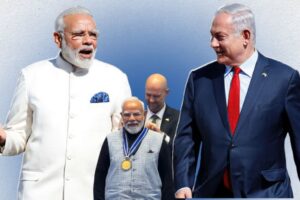
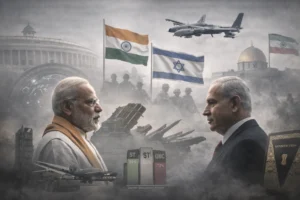
Despite a formal invitation, India notably abstained from the signing ceremony where 20 leaders, including Pakistan’s Prime Minister Shahbaz Sharif, endorsed the charter. New Delhi’s hesitation is deeply rooted in its long-standing foreign policy of strategic autonomy and its refusal to allow third-party mediation in the Kashmir dispute.
The New Geopolitical Landscape
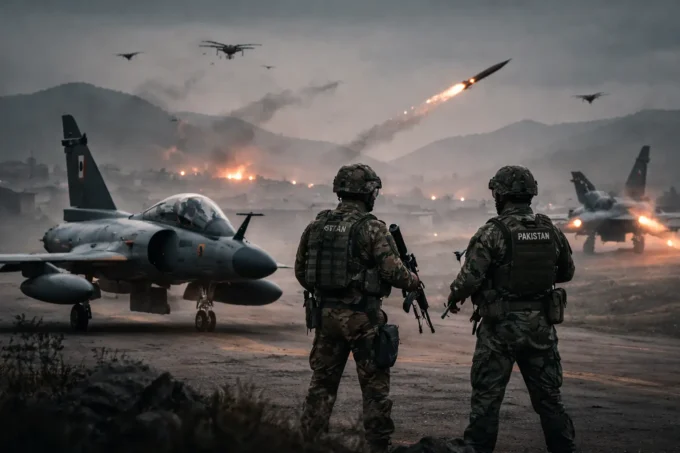
The Board of Peace is not merely a humanitarian mission; it represents a fundamental shift in international governance. Endorsed by the UNSC in November 2025 (with Russia and China abstaining), the board is empowered to oversee interim governments and deploy an International Stabilization Force (ISF). India’s concern is primarily centered on the “Gaza Precedent.” Analysts in New Delhi fear that if the board successfully establishes a transitional administration in Palestine, it may set a blueprint for other disputed territories. President Trump’s recent claims at Davos-where he asserted that his intervention “stopped the war” between India and Pakistan following the May 2025 “Operation Sindoor” flare-up-only add to India’s anxiety. Trump’s penchant for painting himself as a global peacemaker suggests he may eventually offer the “Board’s services” to resolve the Kashmir issue.
The Risks for New Delhi
- Sovereignty and Mediation: India has historically maintained that the Kashmir issue is a strictly bilateral matter. Joining the board, which is chaired by Trump with virtually no term limits or specified veto power for other members, could open the region to American or international scrutiny.
- The Transactional Nature of Peace: Veteran Indian diplomats, including former ambassador Ranjit Roy, have warned that Trump’s transactional approach to diplomacy makes it difficult to expect “justice.” There is a fear that India’s participation could be used as leverage in unrelated trade negotiations or visa disputes.
- Institutional Shift: Former Indian UN representative Syed Akbaruddin noted that unlike the UN, where the BOP is supposed to report every six months, Trump’s charter envisions a more permanent and expansive role. For a country that prides itself on being a “pillar of the UN,” joining an organization designed to bypass it is a significant ideological hurdle.
The Risks of India’s Defensive Diplomacy
While India’s reluctance to join the Board of Peace is consistent with its historical strictly bilateral doctrine, this defensive stance reveals a growing vulnerability in its modern foreign policy. By staying away, New Delhi risks being sidelined in a new global order that is increasingly personality-driven rather than institution-led.
By signing the charter, Pakistan has positioned itself as a partner for peace in the eyes of the Trump administration. This allows Islamabad to help shape the board’s future agenda from the inside. If the board decides to discuss South Asian stability, Pakistan will have a seat at the table, while India will remain an outsider, potentially facing decisions made in its absence.
President Trump’s foreign policy is notoriously transactional. By snubbing his most consequential initiative, India may face repercussions in other critical areas. The strategic autonomy India seeks to protect could paradoxically lead to isolation if the US decides to prioritize its Board of Peace partners-who currently include regional heavyweights like Saudi Arabia and the UAE-over non-participating friends.
The events of May 2025 showed that the bilateral nature of the India-Pakistan conflict is already a myth. The US-brokered ceasefire that ended Operation Sindoor proved that Washington is already a silent third party. By refusing to join the Board of Peace, India is essentially denying a reality that has already manifested. If the Board succeeds in Gaza, the international community will likely demand similar “stabilization” efforts elsewhere. India’s current “wait and watch” policy may soon look less like strategic patience and more like a failure to adapt to a shifting, interventionist geopolitical reality.






Leave a comment