





The history of the South Asian region is characterized by the Kashmir conflict and India’s role in the conflict despite its claims of pursuing peace. Can India, therefore, achieve lasting peace in South Asia?
Kashmir: A Region of Endless Conflict
India and Pakistan have had conflicting claims over the region of Kashmir for several decades. It is of immense importance for both countries and is often referred to as the ‘jugular vein’ of Pakistan. The Kashmiris have been asserting their right to self-determination for decades, while Pakistan has championed the Kashmiris’ cause, and India has pushed for the control of the region.
Another situation wherein India exhibited its willingness to deflect the peace process in South Asia by taking unilateral action, resulting in armed conflict, was in August of 2019. That was when India revoked Article 370, which had assured the Jammu and Kashmir region special autonomy.
The act was seen as breaching international law and UN resolutions regarding Kashmir and invited military action and subsequent human rights violations and denial of freedoms to the population of Kashmir.
India’s Military Involvement in Kashmir
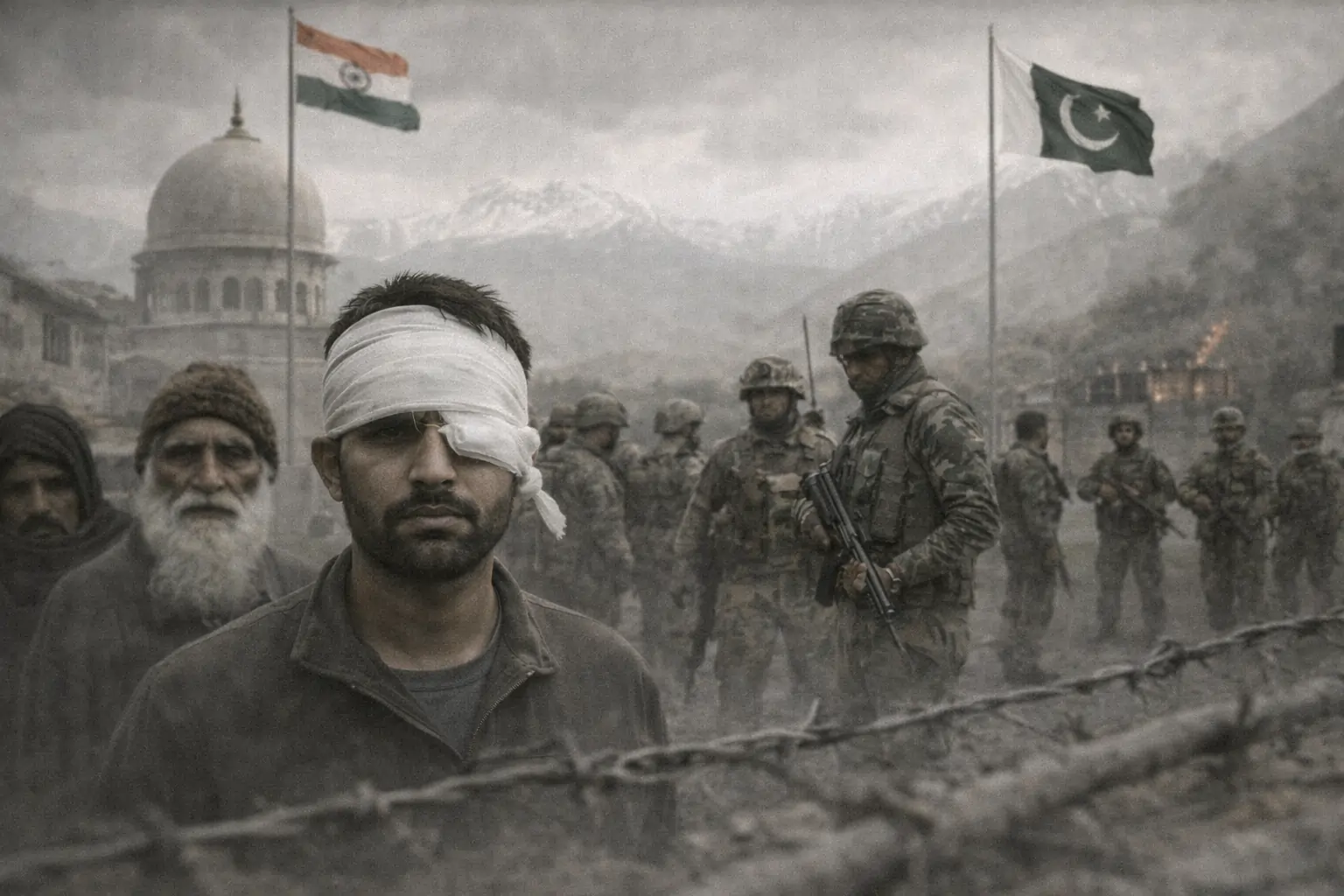
India’s military involvement in Kashmir has been on the rise over the years and has made the region one of the most heavily militarized zones in the world. India’s motives claim military presence intends to ‘instill order’, as reports of human rights violations and over the use of force on civilians, unlawful arrests, and impediments on free speech continue, anger and frustration towards India’s presence in the region is instensified. It has made the India-Pakistan relationship even more tense and has further bloodshed the Kashmir population.
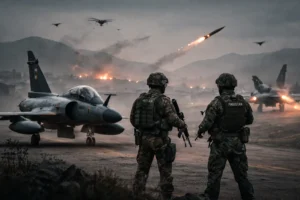
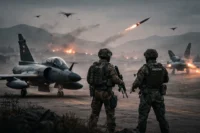
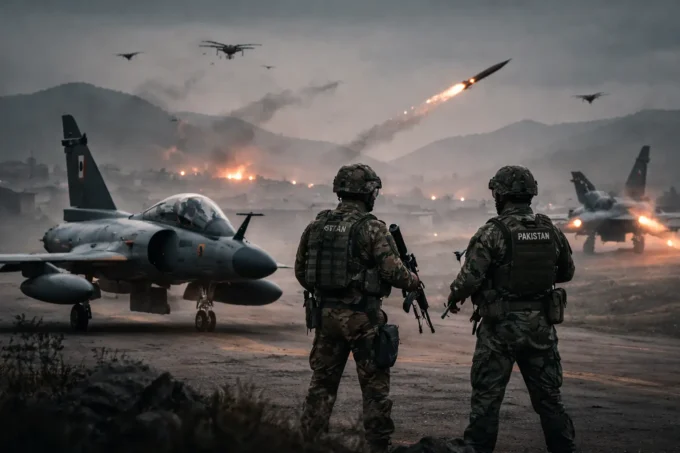
India’s military approach has had its fair share of failures. Most notably, the 2019 Balakot airstrike and the air skirmishes that ensued. These confrontations resulted in India losing its defense position and causing worry regarding the stability of the region, given that it is already in a perilous position.
Unsuccessful Attempts at Diplomatic Dialogue
India has focused its attention on further developing its military presence in Kashmir, though attempts at military presence have not been met with success diplomatically. The International community, along with human rights activists, and various international governments have condemned the presence of India in Kashmir, though, India has continued to not recognize the situation and engage in dialogue with Pakistan.
Pakistan has continued to receive political and diplomatic attention for the Kashmir issue, therefore leaving India in an awkward position where they have to defend their presence in Kashmir. The international community has brought attention to the human rights violations in India, India has ignored the Kashmir issue causing a growing and legitimate concern for Pakistan, and the international community has ignored the Kashmir conflicts.
India’s policies towards Kashmir
India’s presence in Kashmir has contributed to the suffering of the people of Kashmir, and continues to illegally implement policies that have the potential to destabilize the region as a whole. The presence of military personnel in Kashmir has also contributed to a lack of self-determination, which has led to a growing fear and anxiously for the people of Kashmir.
The circumstances in Kashmir have rapidly deteriorated the relationship between India and Pakistan, two nations with nuclear capabilities. The consequences of rising tensions in the region would be detrimental to the entire world. Despite the extremely low odds, the possibility of full-scale war is a constant threat to the region.
Will India Attempt to Maintain Peace in the Region?
Although India has continued to state its willpower to obtain peace in the region, its actions suggest otherwise. The continued oppression of the Kashmiris, the enforcement of martial law, and the lack of any attempt at diplomatic relations with Pakistan, demonstrates that India is less concerned with maintaining peace. India is more concerned with the hegemony of Kashmir.
If India really wants to promote peace throughout South Asia, its actions must address the main concerns regarding the conflict in Kashmir. India must recognize the claims of the Kashmiris and create diplomatic relations that result in the Kashmiris being afforded the right to self-determination, a right established in the UN’s doctrine. Additionally, India must repeal its imperialistic doctrine, which has resulted in Kashmir and Pakistan being at odds, and create relations with Pakistan, which will increase cooperation and peace throughout the region.
A Path Forward for India and South Asia
A lot is riding on India for the South Asia peace agenda as the country continues to navigate the complexities of the India–Pakistan conflict over the Kashmir region. If the country aspires to achieve peace and stability in the region, it will have to make fundamental shifts in its priorities around the Kashmir crisis, including fostering peace through dialogue, and building stability through a robust and inclusive protection of regional human rights. The world has a responsibility to seek Kashmir peace and hold India and Pakistan accountable for their actions, but, in the end, the responsibility of resolving the complexities of the Kashmir conflict is India’s, especially considering the emerging transnational security threats and the implications of South Asia regional instability.
The question will remain as to whether India is prepared to take its first steps towards South Asia peace or whether its Kashmir policies will continue to promote instability and conflict in the region. Time will provide the answer, but for the sake of peace and the stability of Kashmir, a change of priorities is inevitable.








Leave a comment