







New Delhi — While the Ministry of External Affairs protests China’s expanding footprint in the Shaksgam Valley, the finance ministry is quietly preparing to roll back restrictions that have kept Chinese companies out of ₹58 lakh crore worth of government contracts since 2020.
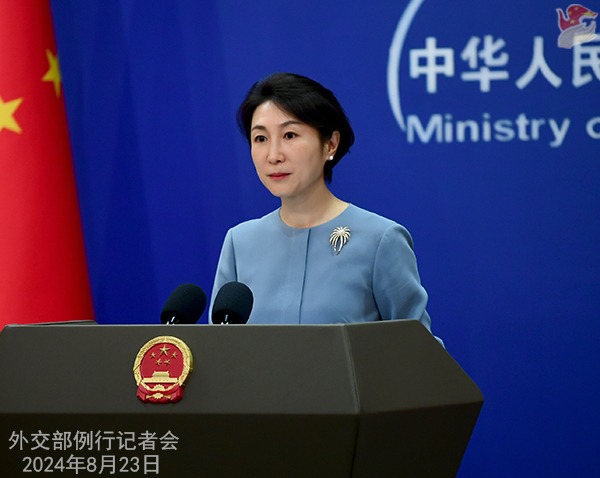
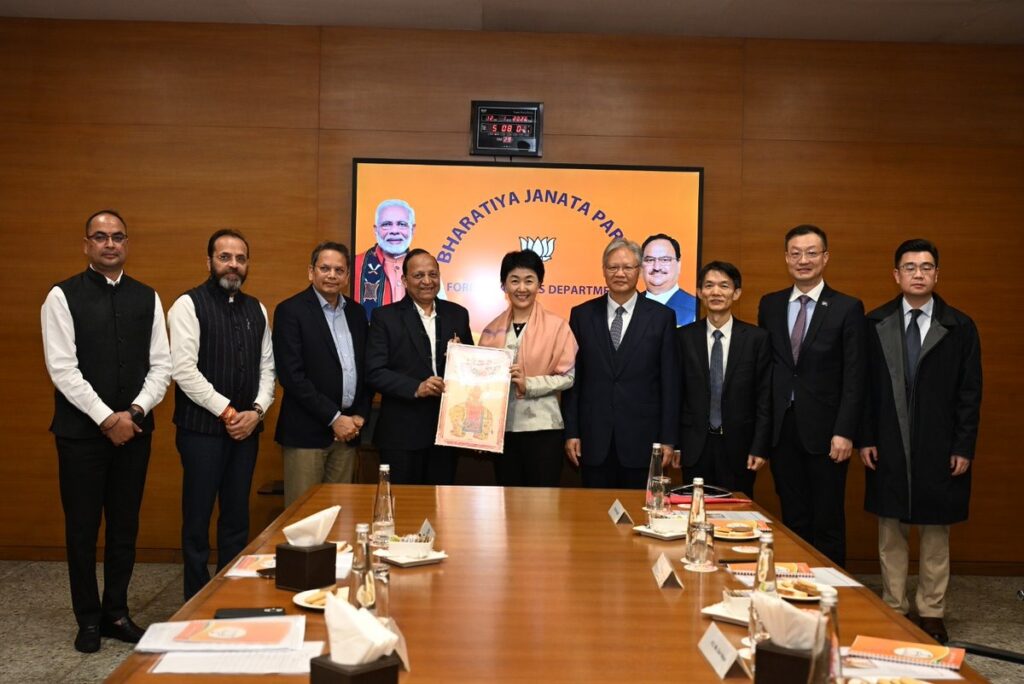
On January 13, Chinese Foreign Ministry spokesperson Mao Ning dismissed India’s objections to infrastructure development in the Shaksgam Valley with characteristic bluntness. “The territory you mentioned belongs to China,” she declared, justifying Beijing’s construction activities as wholly within its sovereign rights. The statement came barely hours after a Communist Party of China delegation had concluded meetings with senior BJP leaders at the party headquarters in Delhi, a diplomatic engagement inconceivable during the four-year freeze following the Galwan clash.
According to Reuters reports from January 8, India’s finance ministry is working to remove registration requirements for Chinese firms bidding on government contracts, a move that would effectively reopen tenders worth between $700 billion to $750 billion. Two government sources confirmed that “several ministries have requested exemptions to overcome the constraints that could derail projects in their sectors,” citing project delays and rising costs. The final decision rests with the Prime Minister’s Office, both sources told Reuters.
This apparent capitulation comes as China methodically consolidates control over the 5,180 square kilometers of Indian territory that Pakistan illegally ceded in 1963. MEA spokesperson Randhir Jaiswal’s protestations on January 9 that “Shaksgam Valley is an Indian territory” and that India has “never recognised the so-called China-Pakistan boundary agreement of 1963” ring increasingly hollow when set against the government’s simultaneous economic outreach to Beijing.
The six-member CPC delegation, led by Vice Minister Sun Haiyan of the International Liaison Department, met BJP General Secretary Arun Singh on January 12. Chinese Ambassador Xu Feihong joined the discussions, which according to BJP foreign affairs in-charge Vijay Chauthaiwale, focused on “the means to advance inter party communications between BJP and CPC.” The delegation is scheduled to meet RSS General Secretary Dattatreya Hosabale on January 14—the first such party-to-party contact since Galwan.
A high-level committee headed by former cabinet secretary Rajiv Gauba has recommended easing the contract restrictions, adding bureaucratic weight to the economic arguments. According to a 2024 Observer Research Foundation report, the value of new projects awarded to Chinese bidders fell 27% from a year earlier to $1.67 billion in 2021 after the restrictions were imposed. Chinese state-owned CRRC was disqualified from bidding for a $216 million train-manufacturing contract months after the curbs were unveiled.
The Shaksgam Valley remains strategically critical to the China-Pakistan Economic Corridor, which passes directly through territory India claims as its own. Beijing’s infrastructure development in the region, now openly defended as construction “on its own territory” positions Chinese forces dangerously close to the Siachen Glacier, creating a potential two-front threat to Indian defenses.
The government’s willingness to dismantle economic barriers with China while its territorial claims are openly mocked by Beijing suggests that India’s sovereignty has a price tag, somewhere between $700 billion and $750 billion. The diplomatic thaw, marked by CPC-BJP meetings and potential contract openings, reveals an administration more concerned with managing project delays than defending the 5,180 square kilometers of Indian land now firmly under Chinese control. As party delegations exchange pleasantries in Delhi, Chinese road construction crews continue their work in the Shaksgam Valley, transforming India’s hollow protests into a matter of historical record rather than present policy.







Leave a comment