
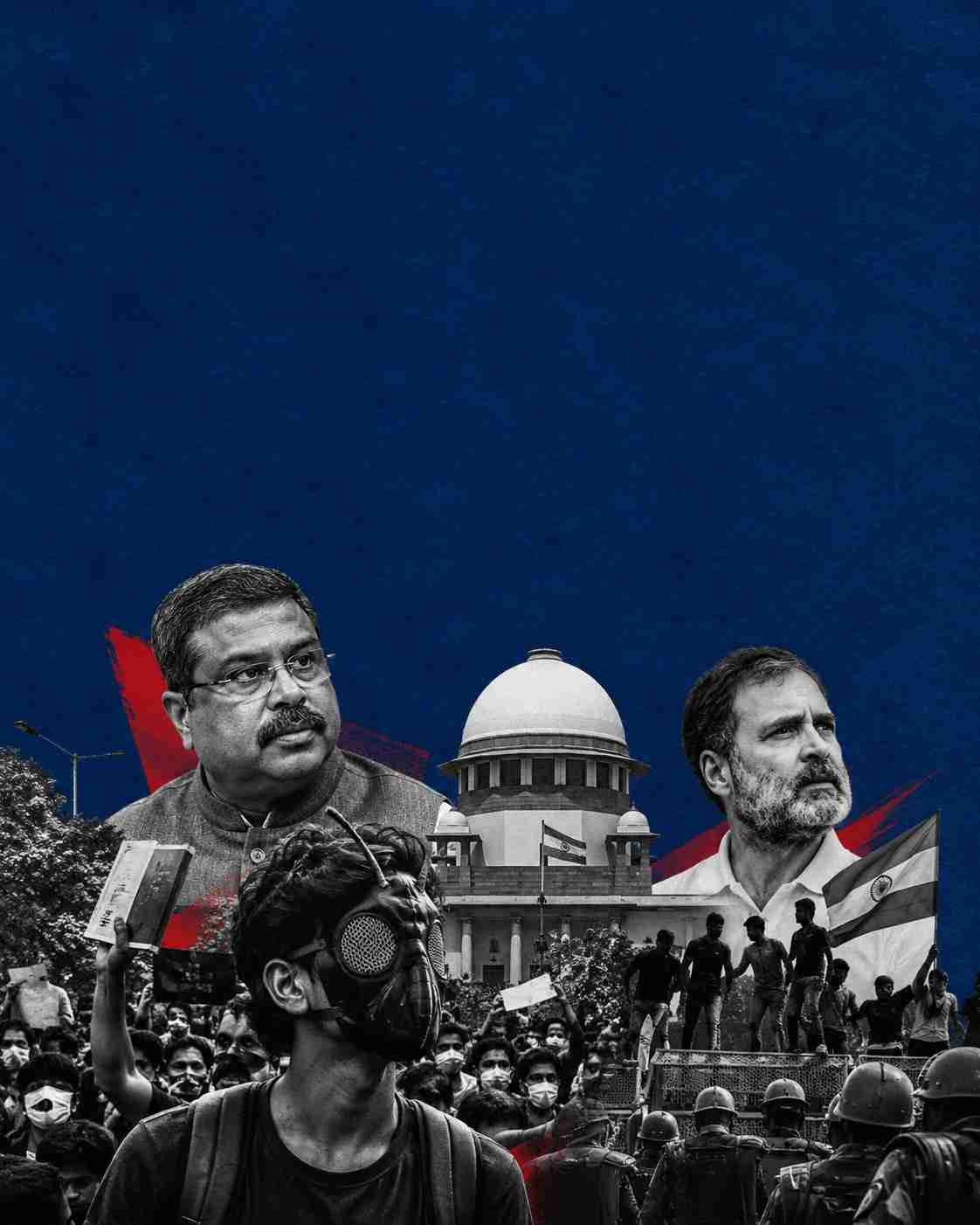
Dharmendra Pradhan resigned on July 25. By October, the same generation was back on the streets, and its target had changed to the Election Commission.
A government that concedes one demand and ignores the grievance behind it has not ended a protest. It has only changed its address. On July 25, 2026, Education Minister Dharmendra Pradhan resigned after weeks of pressure from the Cockroach Janta Party (CJP), and the Jantar Mantar protest was called off. The government treated this as closure. Ten weeks later, the CJP protest is back in Delhi, larger in mood and wider in complaint, and the question of whether the anger will disappear has already been answered.
The Protest That Refused to End on Schedule
The first demonstration on June 6 was permitted as a one-time exception until 5 pm, with about 5,000 police deployed around New Delhi. Hundreds of young people in cockroach masks, carrying worn exam guides, tried to turn an online joke into a street force. The movement had been born only weeks earlier, after the Chief Justice’s “cockroach” remark, and its Instagram page already held over 22 million followers.
The second protest on June 20 was a different kind of event. Students travelled from across the country, and founder Abhijeet Dipke declined to leave once permission expired. Police responded by switching off the lights and briefly cutting access to food and water, according to the same account.
By July 20, the movement had outgrown its venue. Tens of thousands marched towards Parliament on the first day of the Monsoon session. Police used batons and tear gas, Delhi Metro closed 17 stations, and internet services were cut near Parliament. Delhi Police said 118 of its personnel were injured. The CJP said about 150 protesters were hospitalised. The two sides disagree on the numbers, but both agree on the scale. What began as a satire about one remark had become a demand about an entire examination system.
Rahul Gandhi Was Detained, and the Message Was Larger Than the Man
On July 21, Rahul Gandhi, Mallikarjun Kharge and other opposition leaders protested outside the Prime Minister’s residence over the police action. Gandhi was detained and released within hours. The detention mattered less than what he said about the march: “Tear-gassing students and lathi-charging them is not democratic.”
The government’s own tone had been harsher. Pradhan described the protesters as a “B-team of terrorists” (reported here), a label that collapsed against the image of Sonam Wangchuk, who lost 9.1 kg in 19 days of hunger strike before ending his fast after 26 days. Wangchuk insisted the movement had “no political colour”, and the record of the weeks that followed supports him.
The JP Movement Comparison and Its Limits
Election strategist Prashant Kishor has compared the youth discontent to the JP Movement, and the comparison has a factual basis. As The Wire documents, the 1973 to 1974 agitation began with students in Gujarat and Bihar protesting corruption and joblessness, and only later acquired a national figure in Jayaprakash Narayan. Wangchuk plays a comparable non- partisan role today.
The precedent carries a warning as well. The Council on Foreign Relations notes that the 1974 protests ended in the Emergency of 1975. Movements can win, and they can also be crushed or captured. The JP Movement also took years to become political power. Nobody can say that today’s agitation will follow the same path.
The Anger Outlived the Settlement
The settlement itself began to fray within days. The CJP said the government had not honoured its promise of no punitive action, and counted more than 100 students arrested. By October, the protest had found a second grievance. Demonstrators are demanding the resignation of Election Commission chief Gyanesh Kumar over a voter-roll revision they say has struck millions of names from the lists. The Election Commission and the BJP deny wrongdoing. Delhi Police are investigating allegations by three female journalists of harassment by officers during the protests, and the CJP has announced a major rally for October 10. In Mumbai, Raj Thackeray told protesters: “It’s the people of this country who should decide who sits in power.”
What the Government Must Answer
The government has so far offered a resignation, fast-track courts and a new anti-paper-leak law. None of these addresses youth unemployment, which is the grievance that connects the exam hall to the voter list. A resignation settles a political crisis. It does not repair a system in which students stake years of their lives on an examination that can be leaked.
Whether this becomes another JP Movement depends on choices on both sides. The movement must keep its independence from party flags. The government must decide whether its answer to young citizens will be reform or the baton. October suggests the second option is still in use, and that is the test this government has yet to pass.






Leave a comment