
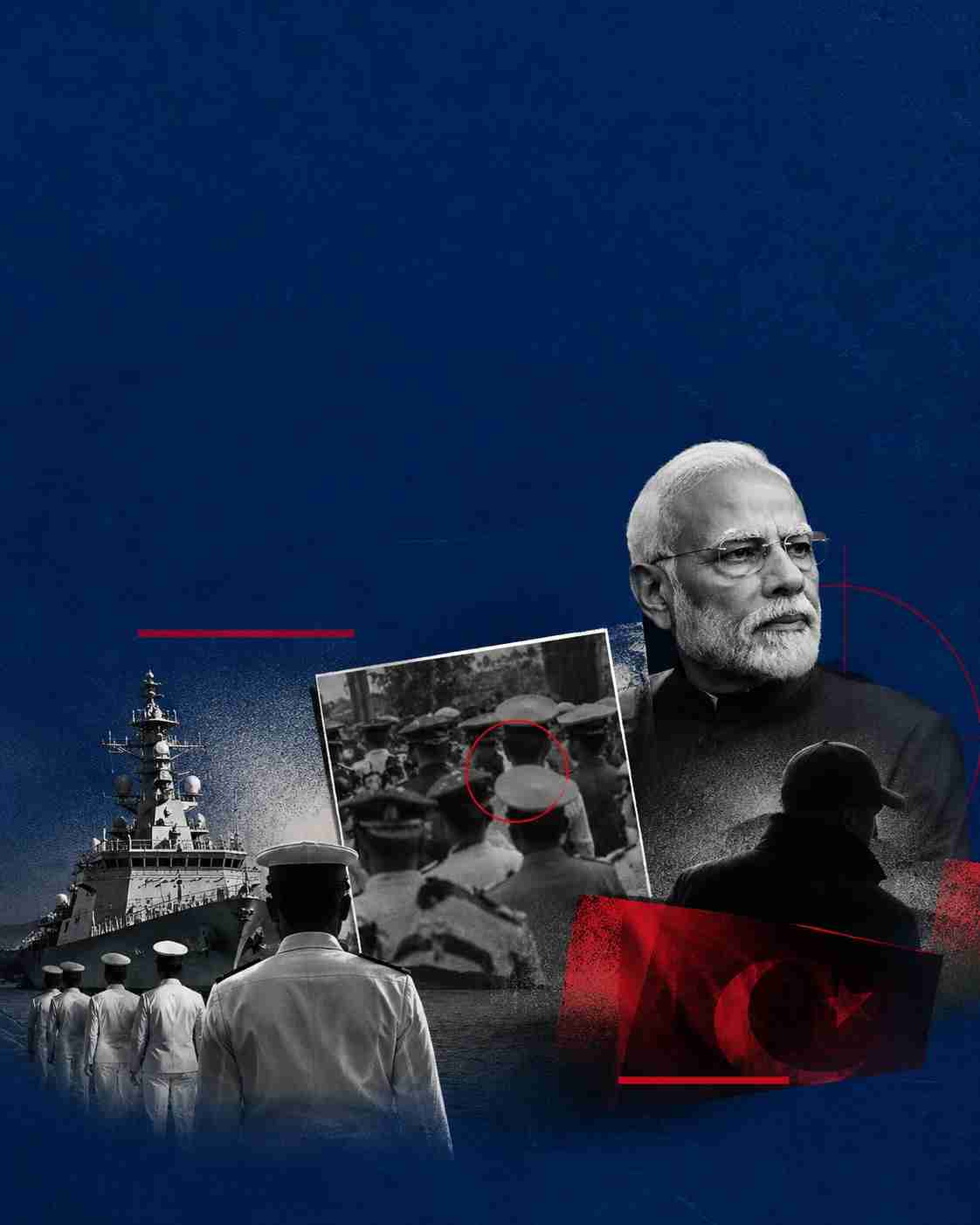
Every few months, India’s security establishment finds a Pakistani hand in its ranks. This week it was Andhra Pradesh. The state’s Counter Intelligence Cell announced that 18 suspects, 13 of them naval personnel, are being probed in an alleged espionage conspiracy, with police in 10 states coordinated under “Operation Firewall-2026”. The operation has a code name and a dramatic headline. What it does not yet have is a single publicly tested fact.
Consider what has actually happened. Two people have been arrested: a Navy employee posted at Eastern Naval Command in Visakhapatnam and a civilian driver. Both were sent to judicial custody until October 14. Two arrests is a modest result for a “network” of eighteen. The other sixteen are “under the scanner,” a phrase that carries all the stigma of an accusation and none of the burden of proof. Careers, reputations and families are being tried in the media before any court has seen a charge sheet.
India has been here before. In 2019, “Operation Dolphin’s Nose” was announced with similar fanfare. Navy officials in New Delhi said, on condition of anonymity, that the seven men arrested were junior personnel unlikely to have access to sensitive information. Yet agencies briefed that Visakhapatnam, home to the Eastern Command and a nuclear submarine base, had been “exposed.” The Navy’s own line was that its critical assets were intact and there was no breach. The gap between the breathless leak and the sober institutional statement was the real story then. It is worth remembering now.
The pattern is not limited to Andhra. As recently as March, UP’s Anti-Terrorism Squad arrested a 24-year-old Navy lance naik posted in Kochi for allegedly passing information to an ISI contact. Arrest follows arrest, announcement follows announcement, and the audience is conditioned to accept “Pakistan-linked” as a conclusion rather than a claim. That is convenient for a government and security apparatus that gains politically every time the “enemy within” narrative is refreshed.
Fairness cuts both ways, so let us be precise about what we do not know. We do not know whether any classified material changed hands. We do not know the evidence behind the “direct contact” allegation. We do not know whether the suspects are spies, or simply sailors and clerks who were careless on social media and are now being made examples of. Indian reporting itself has described earlier cases as honey-trap operations run through Facebook and WhatsApp against low-ranking personnel. If that is the template again, the scandal is not Pakistani cunning. It is a military that cannot secure the phones of its own junior ranks, and it will not fix that by announcing codenamed operations after the fact.
Islamabad has every right to ask for the same standard it is held to. Allegations of espionage should come with charges, evidence and a public court record, not unnamed “sources” and a press release timed for the news cycle. Pakistan has long been the default suspect in India’s security failures, a role that spares Delhi from asking harder questions about vetting, discipline and its own counter-intelligence.
If India has a real case, let it prove one in open court. If it does not, eighteen people are being used to tell a story about someone else. A serious country does not need a villain on call to explain its own vulnerabilities.







Leave a comment